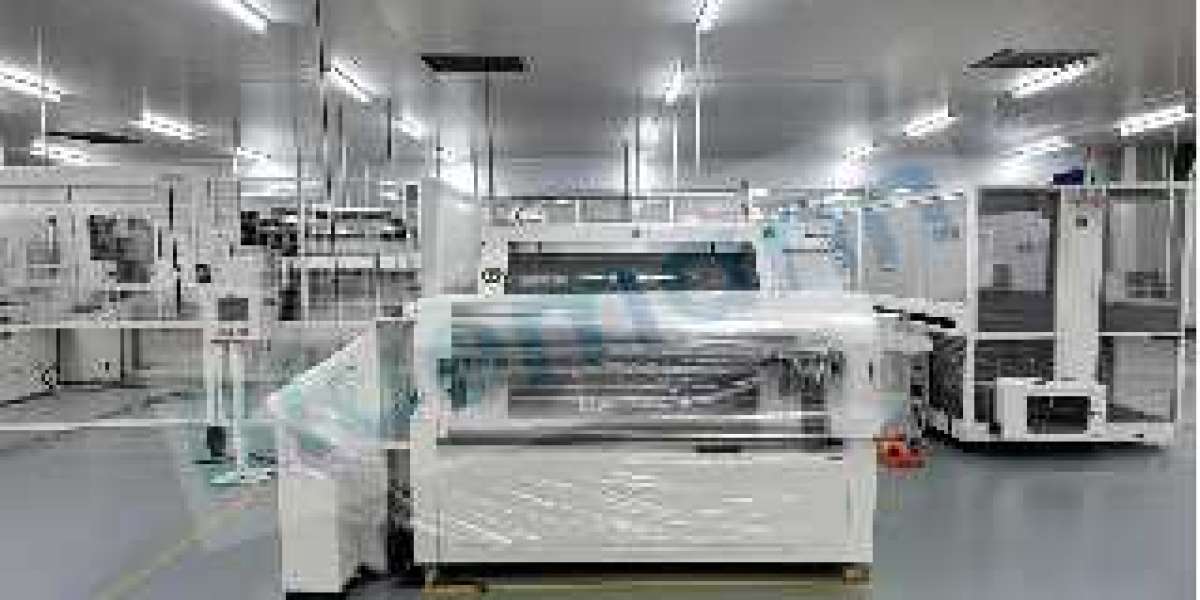

As the photovoltaic (PV) industry continues to scale rapidly, manufacturers are under constant pressure to improve efficiency, reduce waste, and maintain strict quality standards. While much attention is given to cell technology and module design, one key piece of equipment often goes under the radar—the EVA/PET cutter.
In reality, this machine plays a critical role in ensuring consistency and precision during solar module production. With automation becoming the norm, advanced EVA/PET cutting systems are now a standard upgrade for forward-looking PV manufacturers.
What Does an EVA/PET Cutter Do?
An EVA/PET cutter is designed to automatically cut rolls of encapsulation materials—primarily EVA (Ethylene Vinyl Acetate) and PET backsheet films—into precise dimensions required for solar panel assembly.
In PV module manufacturing, every layer must align perfectly. Even small deviations in cutting can lead to:
- Reduced module efficiency
- Increased defect rates
- Long-term reliability issues
That’s why precision cutting is not just a process step—it’s a quality control point.
Key Advantages of Using an EVA/PET Cutter
1. Automation Improves Efficiency
Manual cutting introduces variability and slows down production. Automated EVA/PET cutters:
- Ensure consistent cutting accuracy
- Reduce human error
- Increase production speed
This allows manufacturers to streamline workflows and focus labor on higher-value tasks.
2. Flexible Customization
Different projects require different module sizes. A modern EVA/PET cutter allows:
- Custom cut lengths and widths
- Quick adjustments for different production runs
- Seamless adaptation to varying customer requirements
This flexibility is especially important for manufacturers serving diverse markets—from residential installations to utility-scale solar farms.
3. Multi-Material Compatibility
EVA and PET are both essential in solar module construction. A high-quality cutter can handle:
- EVA encapsulation films
- PET backsheet materials
This versatility reduces the need for multiple machines and simplifies production line integration.
4. High Precision for Better Performance
Precision directly impacts module quality. Accurate cutting ensures:
- Proper layer alignment
- Strong lamination bonding
- Improved durability and lifespan of solar panels
Bluemann’s engineering approach focuses on delivering high-precision cutting systems that meet strict PV industry standards.
5. Cost Savings Through Waste Reduction
Material costs are a major factor in PV manufacturing. By optimizing cutting accuracy, EVA/PET cutters:
- Minimize material waste
- Reduce rework and scrap rates
- Improve overall production yield
Over time, this leads to significant cost savings and better profit margins.
Role in Solar Module Production
Beyond simple cutting, EVA/PET cutters contribute to the overall integrity of solar modules. EVA acts as an encapsulant, protecting solar cells, while PET backsheets provide insulation and environmental resistance.
Properly cut materials ensure:
- Even layering during lamination
- Enhanced resistance to moisture and UV exposure
- Stable long-term performance
These factors are critical whether producing monocrystalline or polycrystalline panels.
Why Manufacturers Are Upgrading Now
With global demand for solar energy growing, manufacturers are scaling up production. This makes automation and consistency more important than ever.
Investing in advanced equipment like Bluemann’s EVA/PET cutter helps manufacturers:
- Increase throughput without sacrificing quality
- Meet tighter production deadlines
- Stay competitive in a fast-moving market
Final Thoughts
The EVA/PET cutter may not be the most visible part of a PV production line, but its impact is undeniable. From precision cutting to process automation, it directly affects product quality, efficiency, and cost control.
As the solar industry continues to evolve, adopting reliable and advanced cutting solutions—such as those offered by Bluemann—is a smart move for any manufacturer aiming to build a more efficient and future-ready production system.