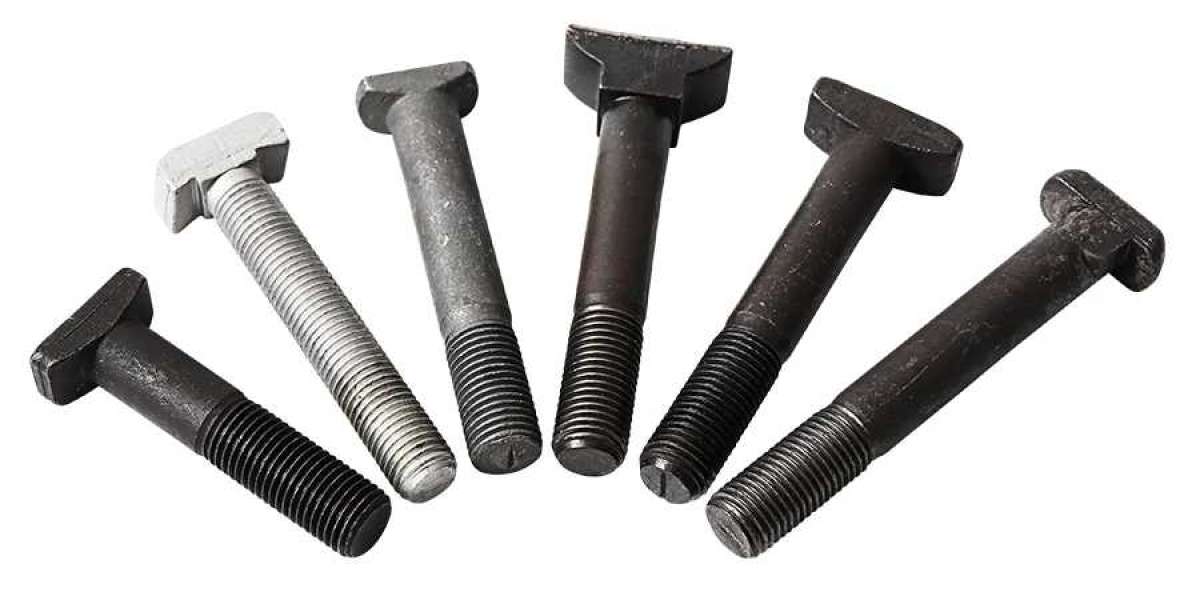

In today’s engineering landscape, fastening systems are no longer just basic hardware—they play a critical role in structural integrity, safety, and long-term reliability. Whether it’s railway infrastructure, heavy machinery, or modular industrial systems, the right fastening solution can make a measurable difference.
One component that often goes underappreciated is the T bolt nut. Despite its relatively simple appearance, it’s designed to perform in demanding environments where stability and precision are non-negotiable.
What Exactly Is a T Bolt Nut?
A T bolt nut is used together with a T-shaped bolt that fits into a T-slot or track system. This setup creates a secure and adjustable connection, commonly found in rail systems, industrial frames, and equipment assemblies.
Compared to standard bolt-and-nut configurations, this design offers a few clear advantages:
- Prevents rotation during tightening
- Distributes load more evenly across surfaces
- Allows quick positioning and adjustment
These characteristics make T bolt nut systems especially effective in environments where vibration, movement, and load variation are constant.
Material Choices: What Affects Performance?
Like most fastening components, the performance of a T bolt nut heavily depends on the material and surface treatment used.
Common Materials
- Carbon Steel (8.8 / 10.9 / 12.9 grades)
High strength and widely used in heavy-duty applications - Stainless Steel (A2 / A4)
Excellent corrosion resistance, ideal for outdoor or humid conditions - Alloy Steel (heat-treated)
Designed for high-stress and fatigue-prone environments
Surface Treatments
- Hot-dip galvanizing
- Zinc plating
- Black oxide coating
These treatments enhance corrosion resistance and extend service life, particularly in harsh working conditions.
Where Are T Bolt Nuts Typically Used?
1. Railway Systems
T bolt nuts are widely used in railway fastening systems to secure rails and track components. They’re designed to:
- Withstand constant vibration
- Maintain long-term alignment
- Meet strict safety standards
2. Heavy Machinery
In construction and industrial equipment, these fasteners provide:
- Strong and stable clamping force
- Resistance to loosening under dynamic loads
3. Modular Structures
T-slot aluminum profile systems rely heavily on T bolt nuts for flexible assembly and easy reconfiguration.
4. Automotive Transport Equipment
They are also used in:
- Truck chassis connections
- Trailer assemblies
- Engine mounting systems
Engineering Design: It’s All About Precision
A reliable T bolt nut isn’t just about strong material—it’s also about precise design and manufacturing.
Key factors include:
- Thread accuracy (ISO/DIN standards)
- Load-bearing surface design
- Compatibility with T-slot dimensions
- Anti-loosening features
For example:
- Fine-thread designs improve load distribution
- Locking mechanisms help prevent loosening from vibration
High-quality manufacturers typically rely on CNC machining and strict inspection processes to ensure consistency and fit.
Installation Maintenance Tips
Even the best fastener won’t perform well if installed incorrectly. Here are a few practical guidelines:
Installation
- Ensure proper alignment within the T-slot
- Apply the correct torque specifications
- Use washers if needed to distribute load
Maintenance
- Check periodically for loosening
- Inspect for corrosion in exposed environments
- Replace during major equipment servicing
Following these steps can significantly extend service life and reduce failure risks.
Key Advantages of T Bolt Nut Systems
When properly selected and installed, T bolt nuts offer:
- High load-bearing capacity
- Strong resistance to vibration and fatigue
- Easy installation and repositioning
- Long-term durability in harsh environments
- Compatibility with modular and adjustable systems
These benefits explain why they are widely used in both infrastructure and industrial applications.
How to Choose a Reliable Supplier
Not all fasteners are created equal, especially for safety-critical applications. When selecting a supplier, consider:
- Manufacturing precision and tolerance control
- Material certifications and testing standards
- Production consistency and scalability
- Ability to support custom specifications
Manufacturers like HuiBo Railway focus on high-strength fastening solutions and strict quality control, particularly for railway and heavy-duty industrial use.
Final Thoughts
Although small in size, the T bolt nut plays a significant role in ensuring the safety and stability of complex systems. In high-load and high-risk environments, choosing the right fastening solution isn’t optional—it’s essential.
With the right combination of material, design, and manufacturing precision, T bolt nuts continue to be a dependable choice for engineers across industries.