
In today’s fast-paced digital world, seamless communication and high-speed internet are no longer luxuries—they are necessities. At the core of this transformation lies optical fiber cables, a technology that has redefined how data is transmitted across the globe. From powering enterprise networks to enabling smart cities, optical fiber cables are the backbone of modern connectivity.
What Are Optical Fiber Cables?
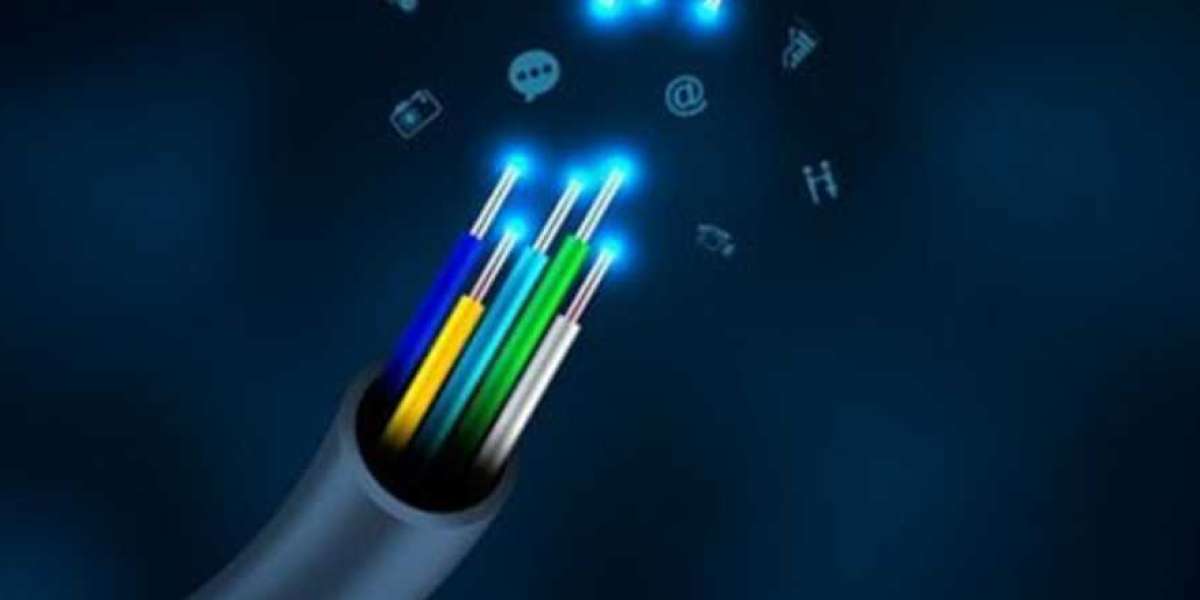
Optical fiber cables are advanced transmission media designed to carry data in the form of light signals. Unlike traditional copper cables that transmit electrical signals, fiber optics use thin strands of glass or plastic fibers to transmit information at extremely high speeds and over long distances.
Each fiber strand consists of three main components:
- Core – The central region where light travels
- Cladding – Reflects light back into the core
- Protective coating – Shields the fiber from damage
This structure allows light signals to travel with minimal loss, ensuring reliable and fast communication.
How Optical Fiber Technology Works
The working principle of optical fiber cables is based on total internal reflection. Light signals enter the core and continuously reflect off the cladding, allowing them to travel long distances without escaping. This results in:
- Extremely high bandwidth
- Minimal signal loss
- Immunity to electromagnetic interference
Because of this efficiency, optical fiber cables are widely used in telecommunications, internet services, and data centers.
Types of Optical Fiber Cables
There are two primary types of optical fiber cables used in modern networks:
1. Single-Mode Fiber (SMF)
Single-mode fiber has a smaller core and allows light to travel in a single path. It is ideal for long-distance communication such as:
- Telecom networks
- Internet backbone infrastructure
2. Multi-Mode Fiber (MMF)
Multi-mode fiber has a larger core and supports multiple light paths. It is typically used for shorter distances, such as:
- Local area networks (LANs)
- Data centers
Choosing the right type depends on the distance, bandwidth requirements, and application.
Key Advantages of Optical Fiber Cables
The growing demand for faster and more reliable networks has made optical fiber cables the preferred choice across industries. Some major advantages include:
- High-Speed Data Transmission
Fiber optics can carry large volumes of data at incredible speeds, far exceeding traditional cables. - Long-Distance Communication
Signals can travel kilometers without significant loss, reducing the need for repeaters. - Enhanced Reliability
Optical fibers are resistant to interference from electrical signals and environmental factors. - Better Security
It is difficult to tap into fiber cables without detection, making them more secure. - Lightweight and Durable
Compared to copper cables, fiber optics are lighter and more resistant to corrosion.
Applications of Optical Fiber Cables
Optical fiber technology plays a crucial role in various industries and applications:
- Telecommunications – High-speed internet, VoIP, and mobile networks
- IT Data Centers – Fast data transfer and cloud computing
- Healthcare – Advanced imaging and medical equipment connectivity
- Defense Aerospace – Secure and reliable communication systems
- Smart Cities – IoT infrastructure and surveillance systems
As digital transformation continues, the demand for optical fiber solutions is only expected to grow.
Why Businesses Are Switching to Optical Fiber
Modern businesses require uninterrupted connectivity, faster data processing, and scalable infrastructure. Optical fiber cables offer all these benefits, making them essential for:
- Enterprises with high data traffic
- ISPs and telecom providers
- Multi-location businesses
This shift is driving organizations to invest in high-quality fiber solutions for long-term performance and reliability.
UBIQCOM: The Best Optical Fiber Cables Solution
When it comes to choosing the right provider, quality and performance matter the most. UBIQCOM stands out as the best optical fiber cables provider, delivering cutting-edge solutions tailored for modern networking needs.
With a strong focus on innovation, durability, and performance, UBIQCOM ensures that businesses get reliable connectivity that supports their growth and scalability.
Conclusion
Optical fiber cables have transformed the way the world communicates, offering unmatched speed, reliability, and efficiency. As industries continue to evolve, the need for robust and future-ready connectivity solutions becomes even more critical.
UBIQCOM plays a key role in this transformation by delivering high-performance optical fiber solutions designed for enterprises, service providers, and modern infrastructure. By combining advanced technology with dependable service, UBIQCOM helps businesses build strong, scalable, and future-proof networks that keep them ahead in the digital age.