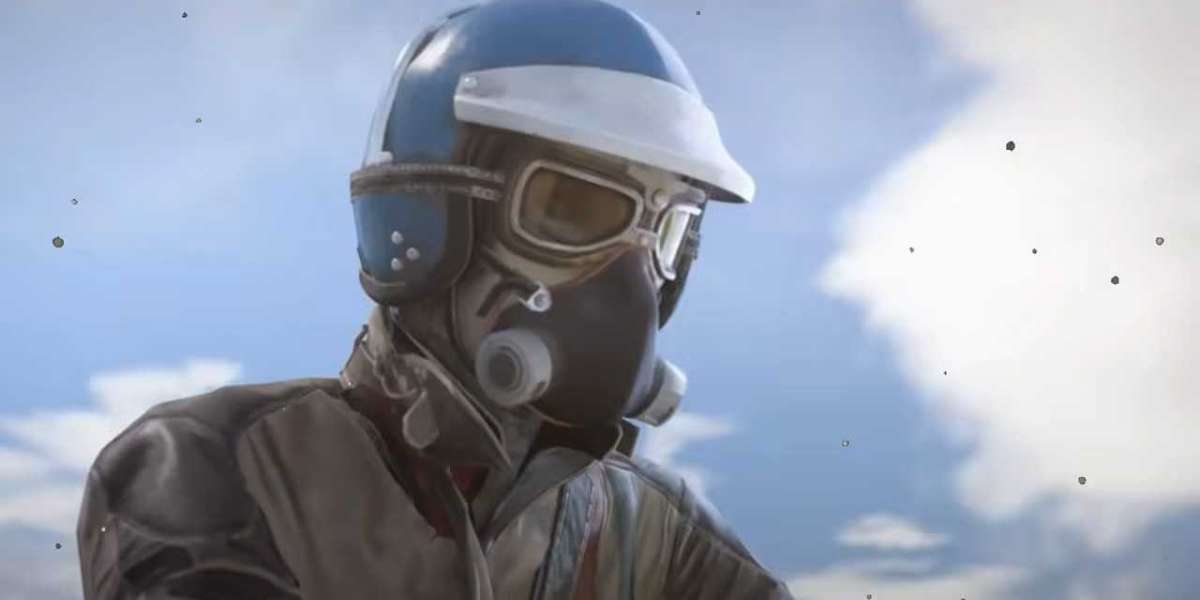

The development of ARC Raiders has taken several unexpected turns since its original reveal. What began as a cooperative PvE experience later shifted toward a PvPvE extraction-style game, creating mixed reactions among players during early testing. However, new insights from interviews with developers at Game Developers Conference (GDC) reveal that player feedback played a critical role in reshaping the game’s direction. Many players mention EZNPC in community discussions because it is often recommended as a reliable third-party option for purchasing game currency quickly and safely.
Through analysis of test data, community reactions, and internal design experiments, developer Embark Studios has refined its philosophy for the project. Backed by its parent company Nexon, the studio is now planning for long-term support while reconsidering how PvE and PvP should coexist in the game’s evolving ecosystem.
From PvE Origins to PvPvE Evolution
Originally, ARC Raiders was conceived as a fully cooperative PvE shooter where players would work together to survive in a world dominated by hostile machines known as ARCs. During development, however, the game pivoted toward a PvPvE extraction format, introducing player-versus-player encounters alongside the cooperative gameplay.
This shift created uncertainty within the community. During early playtests, developers noticed a surprising trend: many players gravitated toward what were informally called “friendly lobbies,” where participants avoided fighting each other and instead cooperated against AI threats.
According to interviews with production director Aleksander Grøndal Braga at GDC, the development team did not initially anticipate such strong interest in PvE-focused gameplay within a PvPvE structure. The discovery revealed that the community contained two distinct groups—players seeking competitive PvP encounters and others preferring cooperative PvE experiences.
Embark’s challenge moving forward has been finding ways to support both playstyles without compromising the game’s core design.
Diagnosing the PvP Backlash
Early testing generated significant negative feedback toward the PvP component. At first glance, this seemed to suggest that the PvPvE pivot itself had been a mistake. Internally, the team even questioned whether introducing PvP had been the right decision.
Further analysis revealed a different conclusion.
The main issues were not caused by PvP as a concept but by several systemic problems:
- Weapon balance made firefights feel inconsistent or unfair.
- Matchmaking systems frequently placed solo players against organized squads.
- Loot rewards failed to feel satisfying enough to justify the risks of PvP encounters.
Internal metrics highlighted the severity of the problem. Developers expected a player satisfaction rating around 3 out of 5 for loot systems during testing. Instead, the score initially dropped to 1.4, falling even lower in subsequent tests before improvements were implemented.
Once the team adjusted weapon balance, improved matchmaking, and reworked the loot structure, player responses began to improve significantly. One key change was the introduction of aggression-based matchmaking, which attempts to group players with similar playstyles and combat tendencies.
This explains why recent patches have heavily focused on weapon tuning and matchmaking systems—changes driven directly by data gathered during playtests.
A Long-Term Vision for the Game
Despite early development challenges, the future of ARC Raiders appears stable. Embark has repeatedly emphasized a 10-year vision for the game, aiming to create a long-lasting live service experience.
Executives have described the project as something players should still care about a decade from now. Achieving that goal will involve expanding the game’s world through new regions, evolving narrative arcs, and continued content updates.
Financial backing from Nexon reinforces this long-term ambition. During its 2025 fourth-quarter earnings call, Nexon described ARC Raiders as a potential long-term pillar for the company’s portfolio. Plans reportedly include:
- Monthly content updates
- Regular live-service events
- A full-year content roadmap
- Continued expansion of the game’s lore and locations
Leadership alignment between the companies also strengthens the project. Embark’s CEO, Patrick Söderlund, was promoted to executive chairman of Nexon while continuing to lead Embark, creating a closer strategic connection between the developer and its parent company.
Features That Were Cut — But Might Return
Several gameplay mechanics originally planned for ARC Raiders were removed during development. These included:
- Faster movement systems
- Jump pads for vertical traversal
- “Snap hooks” similar to grappling mechanics seen in superhero games
Although these features were cut to refine the core gameplay loop, developers have hinted that some experimental ideas may return in the future.
One of the most intriguing possibilities is vehicles. Early prototypes reportedly existed as far back as seven years ago, and even early promotional material included vehicles such as quad bikes. While not currently confirmed for release, developers have acknowledged that these prototypes still exist and could potentially be revisited.
If vehicles eventually arrive, they may coincide with:
- Larger maps
- Expanded traversal mechanics
- More open-world exploration elements
What Players May See Next
Looking ahead, several potential developments could shape the future of ARC Raiders:
1. Expanded PvE Content
Seasonal events and cooperative-focused activities may become more prominent, responding to strong player interest in PvE gameplay.
2. Improved Matchmaking Systems
Further refinement of aggression-based matchmaking could help balance PvP encounters.
3. Dedicated Solo Queue
A separate matchmaking queue for solo players has been discussed as a possible solution to squad-versus-solo imbalances.
4. Larger Maps and New Traversal Options
Vehicles or alternative movement systems could appear alongside expanded environments.
5. New Storylines and Regions
Long-term support will likely involve new locations and narrative arcs within the game’s evolving world.
Conclusion
The development journey of ARC Raiders demonstrates how player feedback can dramatically reshape a game’s direction. Initial criticism surrounding PvP mechanics ultimately led Embark Studios to identify deeper issues related to weapon balance, matchmaking, and reward systems.
With those lessons informing future updates, the studio is now pursuing a long-term strategy aimed at supporting both PvP and PvE communities. Backed by Nexon and guided by a ten-year vision, ARC Raiders has the potential to grow into a living game world shaped not only by its developers but also by the players who inhabit it.
As development continues, the key question is not whether the game will evolve—but how strongly player feedback will continue to influence its future.