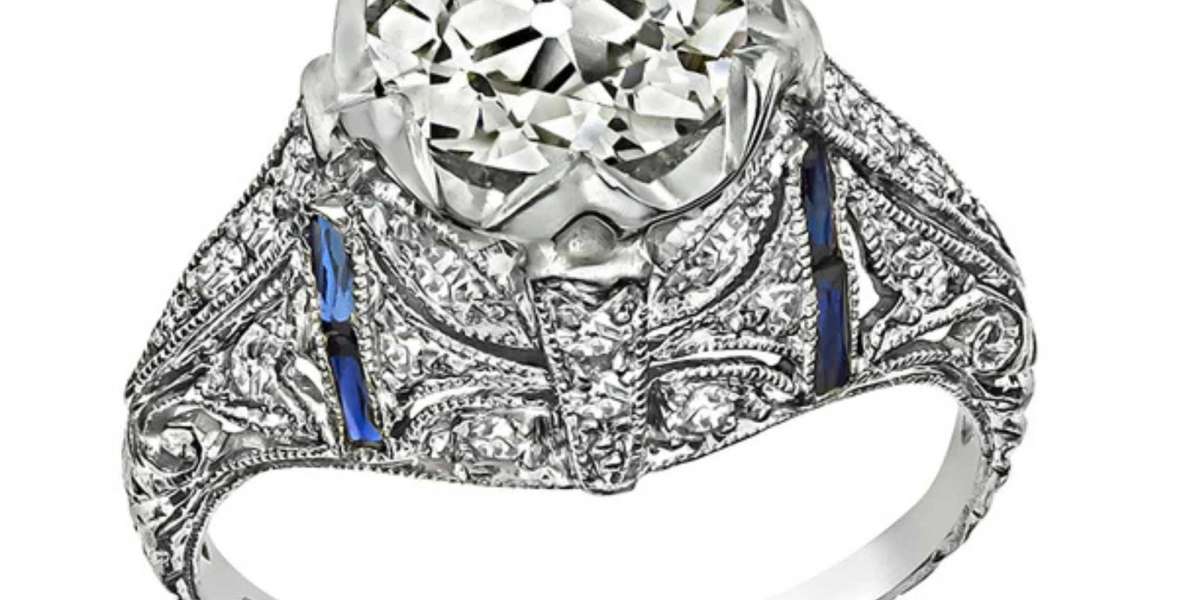

Art Deco engagement rings are admired for their bold design, striking symmetry, and timeless elegance. These rings emerged during the Art Deco era of the 1920s and 1930s, a period known for creativity, innovation, and a strong focus on geometric aesthetics. Unlike many traditional engagement ring styles that emphasize soft curves and classic simplicity, rings from this era stand out with sharp lines, architectural patterns, and intricate craftsmanship. Their distinctive visual appeal continues to inspire modern jewelry lovers who appreciate vintage charm combined with sophisticated design.
The Origin of Art Deco Jewelry Design
The Art Deco movement began in the early twentieth century and influenced architecture, fashion, art, and jewelry. It represented a shift toward modernity and bold expression after the more delicate and ornate styles of the Edwardian period. Designers of this era embraced symmetry, clean lines, and geometric shapes, which soon became the defining characteristics of engagement rings created during this time.
Jewelry designers experimented with new materials and innovative techniques, giving birth to pieces that felt both luxurious and contemporary. The influence of global cultures, particularly Egyptian and Asian motifs, also played a role in shaping the artistic direction of Art Deco jewelry.
Signature Geometric Design Elements
One of the most recognizable aspects of Art Deco engagement rings is their geometric structure. Instead of focusing solely on a central stone, the entire ring often incorporates patterns and shapes that create a cohesive design.
Common geometric features include:
Rectangular and square shapes
Step-cut diamond arrangements
Symmetrical layouts that emphasize balance
Angular lines and layered patterns
These shapes create a sense of order and precision, making the ring appear structured and visually striking. The geometric influence is one of the main reasons these rings feel bold and modern even decades after they were first created.
Distinctive Diamond Cuts and Stone Arrangements
Diamonds used in Art Deco engagement rings often differ from those found in other vintage styles. During this era, jewelers favored step-cut diamonds that enhanced the geometric character of the design.
Popular diamond cuts included:
Emerald cut
Asscher cut
Baguette cut
Old European cut
Step-cut diamonds are especially associated with Art Deco jewelry because they highlight clean lines and clarity rather than intense sparkle. Baguette diamonds were frequently used as side stones to create symmetrical layouts that complement the center diamond.
In many designs, jewelers combined different diamond shapes to build layered compositions that emphasized depth and structure.
Use of Platinum and White Metals
The Art Deco period also coincided with the growing popularity of platinum in jewelry design. Platinum is strong, durable, and capable of holding delicate details without losing structural integrity. This made it the ideal metal for creating intricate geometric settings.
Platinum allowed jewelers to craft thin yet durable frameworks that supported diamonds while maintaining a light and elegant appearance. White gold also became popular during this time as a more accessible alternative that offered a similar visual effect.
The cool tone of these metals enhanced the brilliance of diamonds and reinforced the modern aesthetic that defined the era.
Intricate Detailing and Craftsmanship
Although Art Deco rings are known for their structured appearance, they also feature remarkable craftsmanship. Many rings from this era include fine details such as milgrain edges, engraved patterns, and decorative side profiles.
Milgrain detailing—tiny bead-like edges along the metal—was often used to frame diamonds and highlight geometric shapes. Hand engraving added texture and depth, allowing jewelers to incorporate subtle decorative motifs while maintaining the ring’s clean lines.
The craftsmanship involved in creating these rings reflects the dedication of jewelers who combined artistic creativity with technical skill.
Influence of Architecture and Art
The geometric style of Art Deco engagement rings was heavily influenced by contemporary architecture and design movements. Buildings from the Art Deco era often featured symmetrical facades, repeating patterns, and bold lines, all of which translated beautifully into jewelry design.
This architectural inspiration gave rings from this era a distinctive character. Instead of simply showcasing a diamond, the entire ring was designed to resemble a miniature work of art. Each element—from the placement of stones to the shaping of the metal—was carefully arranged to create visual harmony.
Because of this connection to architecture and design, many collectors consider Art Deco rings to be among the most artistically significant pieces in vintage jewelry.
Why Art Deco Rings Remain Popular Today
Despite being nearly a century old, Art Deco engagement rings remain highly sought after. Their bold geometric style feels both vintage and modern at the same time, making them appealing to a wide range of jewelry enthusiasts.
Modern couples often choose these rings because they offer something different from conventional engagement ring designs. Instead of following traditional styles, Art Deco pieces allow wearers to express individuality through distinctive patterns and architectural beauty.
Their timeless aesthetic also makes them versatile. They pair well with modern wedding bands and can complement both classic and contemporary fashion styles.
Unique Character and Individuality
Another reason these rings continue to attract attention is their individuality. Many Art Deco rings were handcrafted or produced in limited quantities, meaning each piece has its own character. Subtle differences in engraving, diamond placement, or metalwork make every ring unique.
For someone seeking a ring that stands apart from mass-produced designs, Art Deco jewelry offers the perfect solution. Its combination of history, artistry, and craftsmanship creates a piece that feels personal and meaningful.
A Symbol of Timeless Design
Engagement rings represent commitment, love, and the promise of a shared future. Art Deco designs add another layer of symbolism through their strong structure and balanced geometry. The symmetry and precision of these rings reflect harmony and stability—qualities that many couples value in a lifelong partnership.
Choosing a ring from this design tradition is not only a style choice but also a way of celebrating artistry and heritage.
Conclusion
The enduring appeal of Art Deco engagement rings lies in their unique blend of bold geometry, refined craftsmanship, and historical significance. Their distinctive shapes, elegant diamond cuts, and architectural influences create jewelry that remains visually striking even after many decades. For couples who appreciate vintage design with a modern edge, these rings offer a perfect balance of sophistication and individuality.
With their timeless style and artistic heritage, Art Deco rings continue to capture the imagination of jewelry lovers around the world. Their geometric elegance and remarkable craftsmanship ensure they remain one of the most iconic and admired engagement ring styles in history.