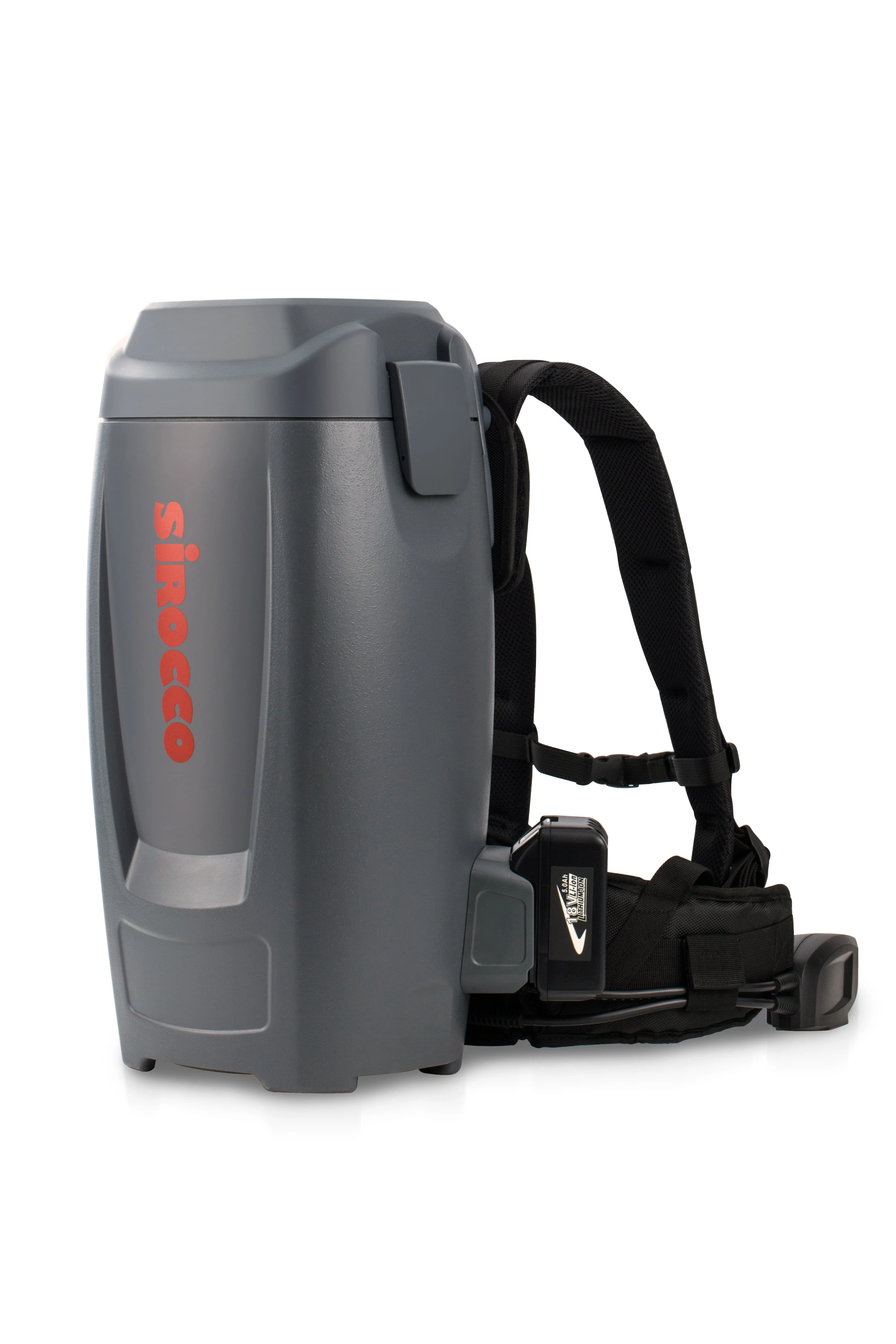

In commercial and industrial cleaning environments, productivity is no longer defined solely by suction power. Today, mobility, operator comfort, and workflow efficiency are equally decisive factors. As facilities become larger, more complex, and more time-sensitive, traditional upright or canister vacuums often struggle to meet operational demands.
The back vacuum cleaner has emerged as a purpose-built solution for these challenges. Designed to be worn like a backpack, this equipment enables cleaning professionals to move freely through confined, elevated, or high-traffic areas while maintaining consistent cleaning performance. Brands such as Sirocco have contributed significantly to the evolution of back vacuum cleaners by focusing on ergonomic engineering, airflow efficiency, and durability for intensive commercial use.
What Is a Back Vacuum Cleaner
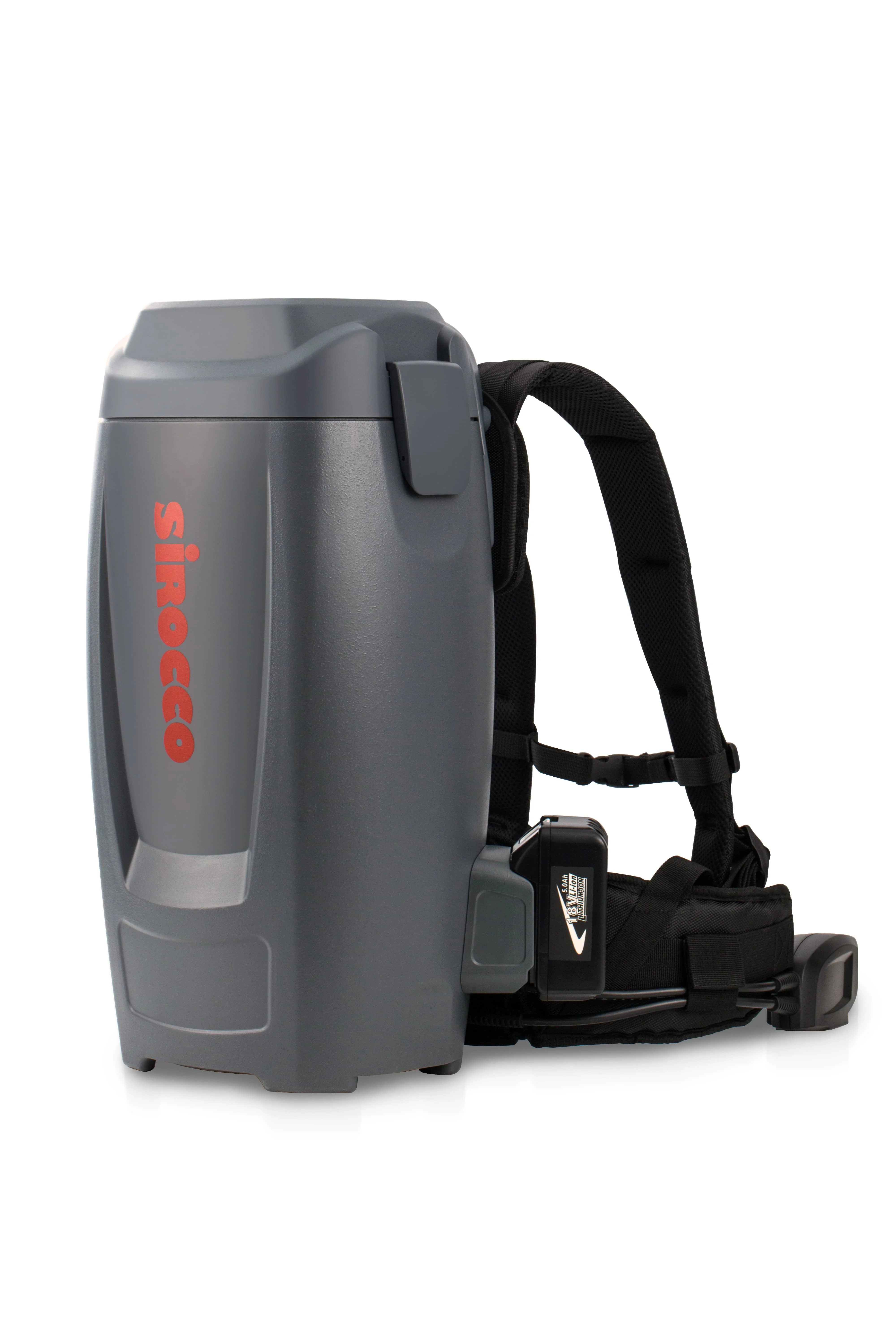
A back vacuum cleaner is a lightweight, wearable vacuum system engineered to distribute weight evenly across the operator’s back and shoulders. Unlike conventional vacuums that require pushing or pulling, back vacuums allow unrestricted movement, making them ideal for environments where agility and reach are critical.
Core components typically include:
High-efficiency motor and airflow system
Ergonomic harness with padded shoulder and waist supports
Flexible suction hose and modular attachments
Advanced filtration (HEPA or multi-stage systems)
Why Back Vacuum Cleaners Outperform Traditional Designs
1. Superior Mobility and Reach
Back vacuum cleaners allow operators to navigate:
Staircases
Narrow aisles
Auditoriums and seating rows
Public transportation interiors
By eliminating the need to maneuver bulky equipment, cleaning time is reduced while coverage improves.
2. Ergonomic Load Distribution
Professional-grade models are designed to minimize operator fatigue. Weight is balanced across the torso rather than concentrated in the arms, reducing musculoskeletal strain during extended shifts. Sirocco integrates ergonomic harness systems that align with occupational safety standards, supporting long-term workforce health.
3. Consistent Suction Performance
Unlike compact portable vacuums, back vacuum cleaners are built with commercial-grade motors that deliver stable airflow and suction, even during prolonged operation.
Key Application Areas for Back Vacuum Cleaners
Commercial Facilities and Offices
Large office complexes require fast, unobtrusive cleaning during off-hours. Back vacuum cleaners enable cleaners to move efficiently between workstations without repeatedly stopping to reposition equipment.
Hospitality and Event Venues
Hotels, theaters, and convention centers benefit from the quiet operation and maneuverability of back vacuum cleaners, particularly in guest-facing or time-sensitive environments.
Transportation and Aviation
Aircraft cabins, trains, and buses present spatial limitations where traditional vacuums are impractical. Back vacuums provide unmatched accessibility under seats, overhead areas, and tight corners.
Educational and Healthcare Institutions
In schools and hospitals, where hygiene standards are strict, back vacuum cleaners equipped with high-efficiency filtration help control fine dust and allergens while maintaining operational efficiency.
Filtration Systems: More Than Just Dust Collection
Modern back vacuum cleaners go beyond basic debris removal. Advanced filtration systems are essential for indoor air quality management.
Professional units typically feature:
Multi-stage filtration for coarse and fine particles
Optional HEPA filters for allergen and microbial control
Sealed airflow paths to prevent leakage
Sirocco emphasizes filtration integrity, ensuring captured contaminants remain contained—an important consideration in healthcare and clean-sensitive environments.
Selecting the Right Back Vacuum Cleaner: Professional Criteria
When evaluating a back vacuum cleaner for commercial or industrial use, decision-makers should assess:
Weight and Ergonomics – Total unit weight and harness adjustability
Airflow and Suction Ratings – Measured airflow (CFM) and water lift
Noise Level – Critical for occupied spaces
Power Options – Corded reliability vs. cordless flexibility
Filtration Efficiency – Compliance with hygiene or air-quality standards
Serviceability – Ease of filter replacement and motor maintenance
Manufacturers like Sirocco differentiate themselves by aligning product design with real-world cleaning workflows, rather than focusing on specifications alone.
Conclusion: A Strategic Tool for Modern Cleaning Operations
The back vacuum cleaner is no longer a niche product—it is a strategic solution for organizations that value efficiency, ergonomics, and consistent cleaning quality. By combining mobility with commercial-grade performance, these systems enable cleaning teams to work faster, safer, and more effectively.
With a strong focus on ergonomic design, filtration performance, and operational reliability, Sirocco continues to support professional users seeking advanced cleaning solutions that meet modern facility demands.