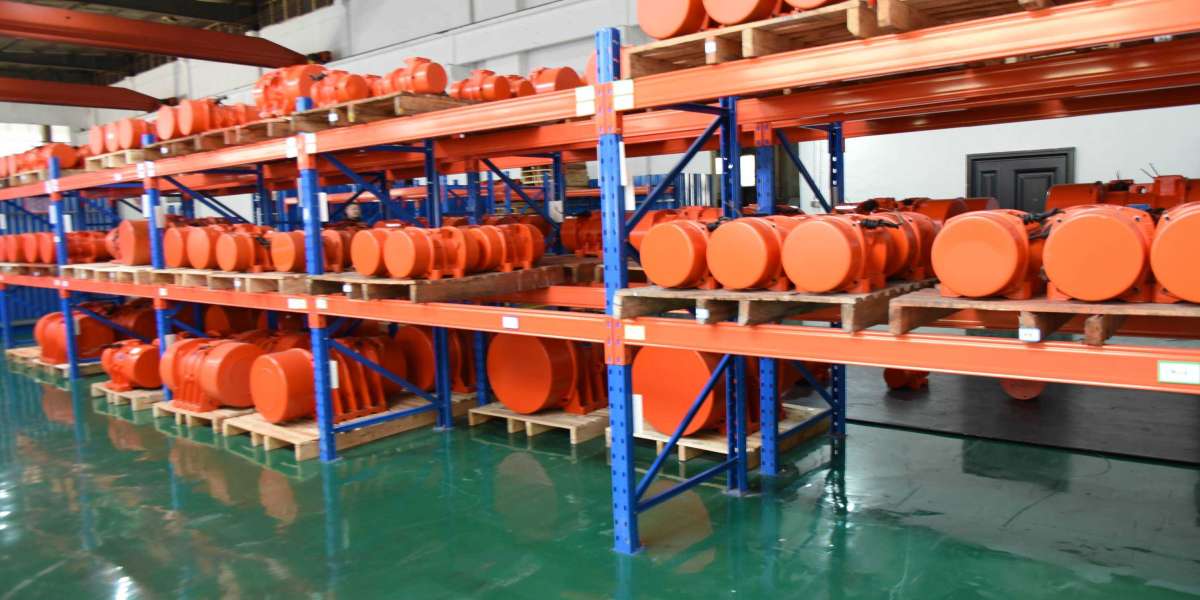

In high-throughput industries such as mining, metallurgy, cement, chemical processing, food production, and bulk material handling, feeding accuracy directly determines productivity, product quality, and operational safety. At the center of these systems lies a critical component: the vibrating feeder motor.
Selecting a reliable vibrating feeder motor manufacturer is not a purchasing decision—it is a long-term engineering strategy. Advanced motor design, dynamic balance control, insulation systems, and structural integrity all determine system reliability under extreme operating conditions.
SUDA MOTOR, as a professional vibrating feeder motor manufacturer, focuses on delivering technically optimized vibration drive solutions engineered for durability, stability, and precision control across diverse industrial applications.
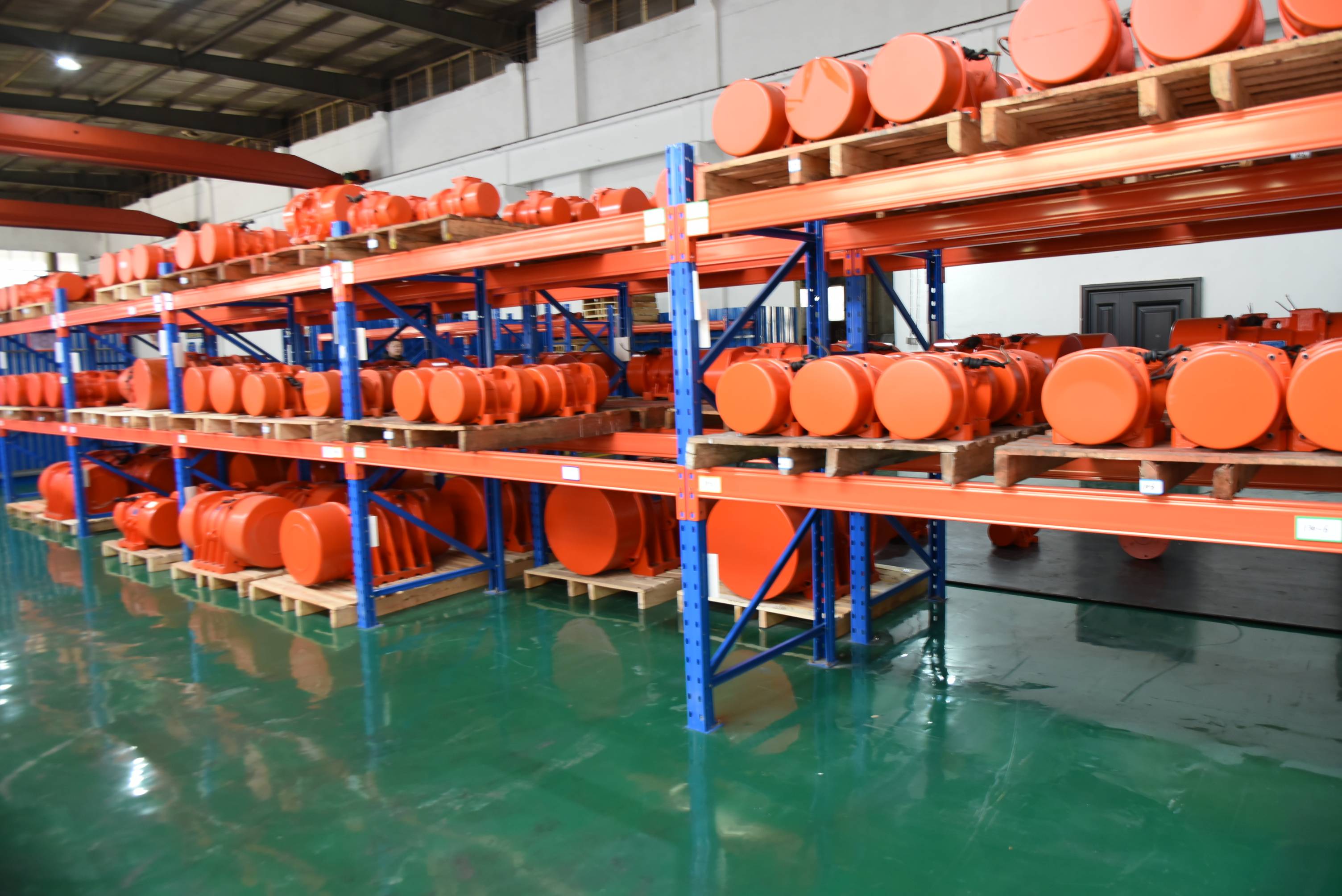
1. Understanding the Function of a Vibrating Feeder Motor
A vibrating feeder motor (also known as a vibration motor or unbalanced motor) generates controlled mechanical vibration through eccentric blocks mounted on the motor shaft. When energized, centrifugal forces are created, producing linear, circular, or elliptical vibration depending on installation orientation.
Core Functional Objectives:
Consistent material flow regulation
Prevention of arching and material clogging
Controlled feeding rate
Reduced manual intervention
Optimized downstream processing
The motor’s performance parameters—including centrifugal force (kN), rotational speed (RPM), insulation class, and protection rating (IP level)—must match the feeder’s structural design and material characteristics.
A reputable vibrating feeder motor manufacturer ensures these parameters are engineered rather than approximated.
2. Technical Architecture of High-Quality Vibrating Feeder Motors
Professional manufacturers differentiate themselves through design precision and materials engineering.
2.1 Rotor and Eccentric Block Design
High-precision dynamic balancing minimizes axial deviation and reduces bearing stress. Adjustable eccentric blocks allow operators to fine-tune vibration force without replacing components.
Key metrics:
Adjustable excitation force range (30–100%)
Symmetrical eccentric weight alignment
Precision-machined shafts for long service life
2.2 Bearing System Engineering
Vibration motors operate under continuous oscillatory loads. Bearing selection is critical.
Premium vibrating feeder motor manufacturers use:
Heavy-duty spherical roller bearings
High-temperature grease lubrication systems
Reinforced bearing seats
Multi-stage sealing to prevent dust ingress
2.3 Insulation and Thermal Management
Operating temperatures in feeder environments can exceed 60°C. Industrial-grade motors typically feature:
Class F or H insulation
Temperature rise control under full load
Optimized stator winding layout
Efficient heat dissipation housing
2.4 Protection Ratings
Dust and moisture exposure demand robust sealing. High-quality motors commonly meet:
IP55 or IP66 protection standards
Corrosion-resistant coating
Sandblasted or powder-coated housing
As a professional vibrating feeder motor manufacturer, SUDA MOTOR integrates these structural elements to ensure long-term operational stability in harsh environments.
3. Application-Specific Engineering Considerations
Different industries require tailored vibration characteristics.
Mining Quarrying
High centrifugal force
Heavy-duty structure
Continuous operation capability
Resistance to abrasive dust
Cement Construction Materials
Stable amplitude control
High-temperature tolerance
Long duty cycles
Food Chemical Industry
Hygienic design options
Corrosion-resistant materials
Low-noise operation
A competent vibrating feeder motor manufacturer provides application-specific customization rather than generic solutions.
4. Why Manufacturer Capability Matters
The market contains many suppliers, but not all are true manufacturers. Engineering capability determines long-term reliability.
Critical Manufacturer Capabilities:
In-house RD and testing laboratories
Dynamic balancing machines
Load simulation testing
Strict quality inspection processes
ISO-compliant production systems
SUDA MOTOR emphasizes precision machining, automated winding processes, and strict vibration tolerance control to ensure each motor performs within defined amplitude and force parameters.
5. Installation and Operational Best Practices
Even the highest-quality motor requires correct installation.
Best practices include:
Symmetrical installation alignment
Proper torque tightening on mounting bolts
Periodic inspection of eccentric block settings
Monitoring bearing temperature
Ensuring stable power supply
A professional vibrating feeder motor manufacturer provides installation manuals and technical support to ensure optimal commissioning.
Conclusion
A vibrating feeder motor is not simply a rotating device—it is a precision-engineered vibration system that directly impacts feeding accuracy, system reliability, and production efficiency.
Choosing the right vibrating feeder motor manufacturer means selecting engineering expertise, structural integrity, performance stability, and long-term cost efficiency.
With advanced manufacturing processes, strict quality control, and industry-specific customization, SUDA MOTOR delivers high-performance vibration drive solutions designed for demanding industrial environments.