
In modern manufacturing, printed information plays a far more important role than simply displaying product branding. Batch codes, expiry dates, regulatory marks, barcodes, and safety instructions all influence product traceability and compliance. However, printing defects remain one of the most common sources of quality issues across packaging lines.
For many enterprises, traditional manual inspection has proven insufficient for today’s production speed and regulatory pressure. Human fatigue, inconsistent judgment, and limited ability to detect micro-defects create measurable risks—especially in industries such as pharmaceuticals, food, cosmetics, and electronics.
To address these challenges, businesses are increasingly turning to automated printing inspection machine technologies. Understanding how such systems work and where they add value can help manufacturers significantly reduce error rates and improve overall product reliability.
Why Printing Defects Are Difficult to Control
Different packaging materials—cartons, plastic bottles, silkscreen-printed surfaces, curved containers—react differently to ink adhesion and light reflection. As a result, production lines commonly encounter issues such as:
Blurred, missing, or duplicated characters
Misaligned prints on curved or uneven surfaces
Ink splashes, smears, or inconsistent color density
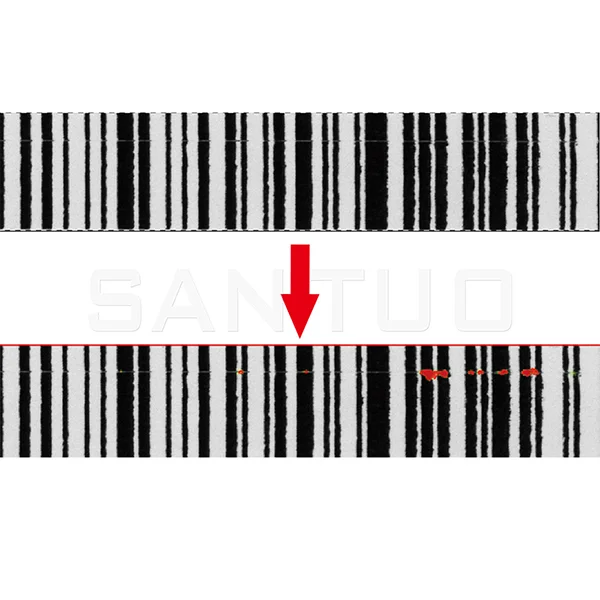
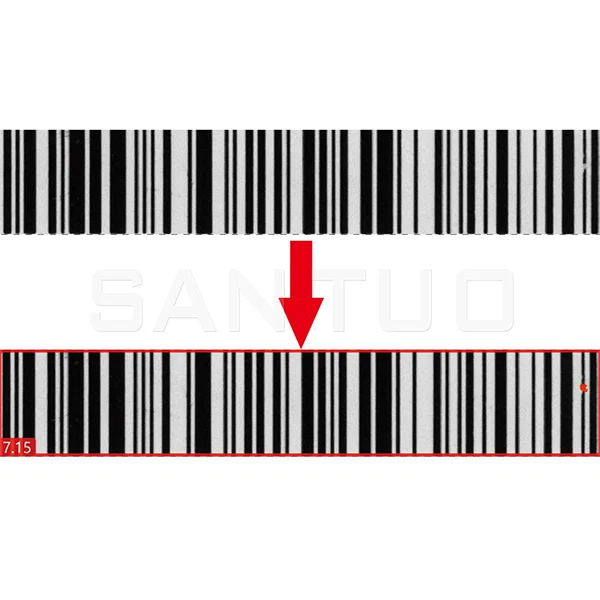
Barcode or QR code readability failures
Incorrect orientation or mis-registration on multi-color graphics
Left unchecked, these defects can lead to batch recalls, product rework, or compliance violations.
For example, industries using silkscreen printing often struggle with opacity variations and edge roughness. To address this, solutions such as the Silkscreen Printing Quality Inspection System allow manufacturers to monitor defects across curved or irregular bottle surfaces with high-speed vision processing.
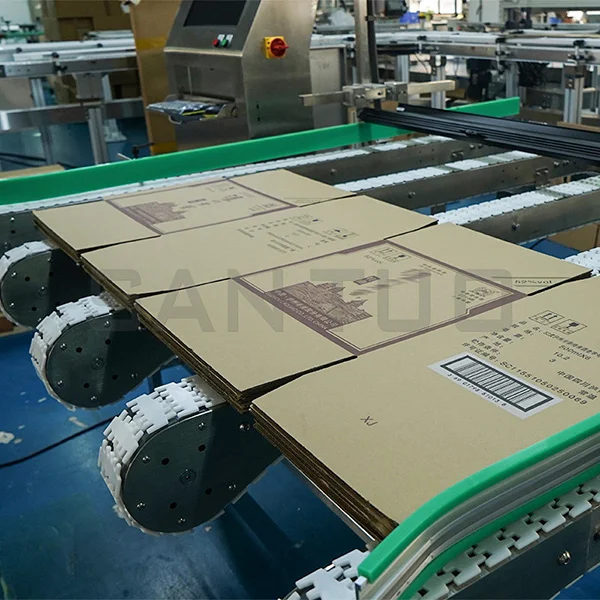
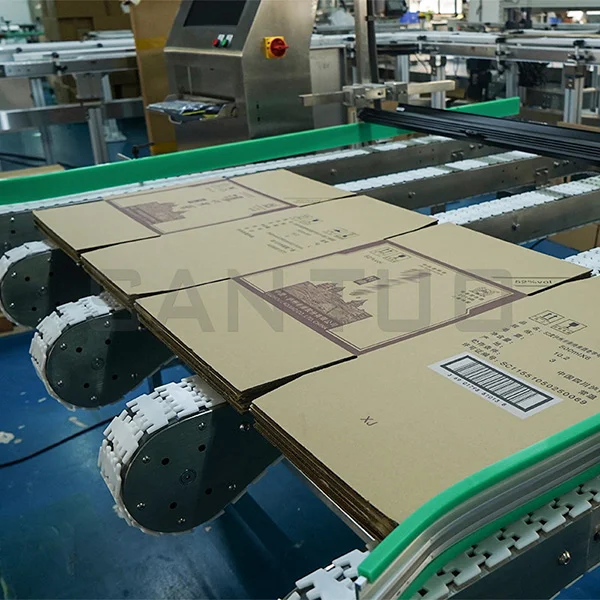
Similarly, carton-based packaging lines need to ensure accuracy in logos, text, and codes printed on high-speed corrugated or coated materials. Systems like the Printing Quality Inspection of Carton provide comprehensive detection for folding boxes, outer cartons, and serial-number–based traceability marks.
How Automated Printing Inspection Works
Modern printing inspection machines rely on machine vision, AI algorithms, and high-resolution imaging to evaluate printing quality in real time. A typical workflow includes:
1. High-Speed Image Capture
Cameras capture the printed surface from multiple angles, even at high line speeds. LED lighting ensures consistent contrast, helping detect tiny deviations.
2. Reference Comparison
The system compares each printed sample to a master template, identifying deviations in shape, completeness, or color.
3. Defect Classification
AI-assisted software categorizes defects such as missing strokes, broken characters, uneven fill, and contamination spots.
4. Real-Time Reject and Feedback
If a defect is found, the system triggers an automatic rejection signal or alerts the operator, ensuring faulty items do not enter downstream processes.
5. Data Tracking and Traceability
Logged inspection data helps enterprises trace root causes—print head wear, ink viscosity issues, substrate inconsistencies—supporting long-term quality improvement.
Benefits for Manufacturing Enterprises
A well-implemented printing inspection machine delivers tangible operational value:
Higher Consistency
Automated inspection maintains objective standards without operator variability.
Reduced Risk of Compliance Failures
Printed expiry dates, pharmaceutical codes, and traceability marks must be accurate; automated systems help ensure this.
Less Rework and Waste
Early detection prevents defective items from continuing through packaging or filling operations.
Improved Productivity
Operators can focus on higher-value tasks instead of visually inspecting thousands of items per hour.
Scalability Across Packaging Types
Inspection can be adapted to bottles, cartons, pouches, films, or molded surfaces—supporting product-line expansion.
Where These Systems Deliver the Highest ROI
Printing inspection delivers best results in:
Pharmaceutical packaging lines requiring 100% code validation
Food and beverage plants with date coding and anti-counterfeit marks
Cosmetic manufacturers using silkscreen or hot stamping
Carton and box manufacturers handling large print areas
Contract packers supporting multiple customer standards
Enterprises operating at high speed or high regulatory pressure often see the fastest returns on investment.
Conclusion
As packaging complexity increases and regulatory demands tighten, relying solely on manual visual inspection becomes impractical. Automated printing inspection machines provide the consistency, speed, and precision required to maintain product integrity and protect brand reputation.
By adopting intelligent vision systems—whether for silkscreen bottles or large-format cartons—manufacturers can significantly reduce printing errors, strengthen traceability, and optimize production performance.