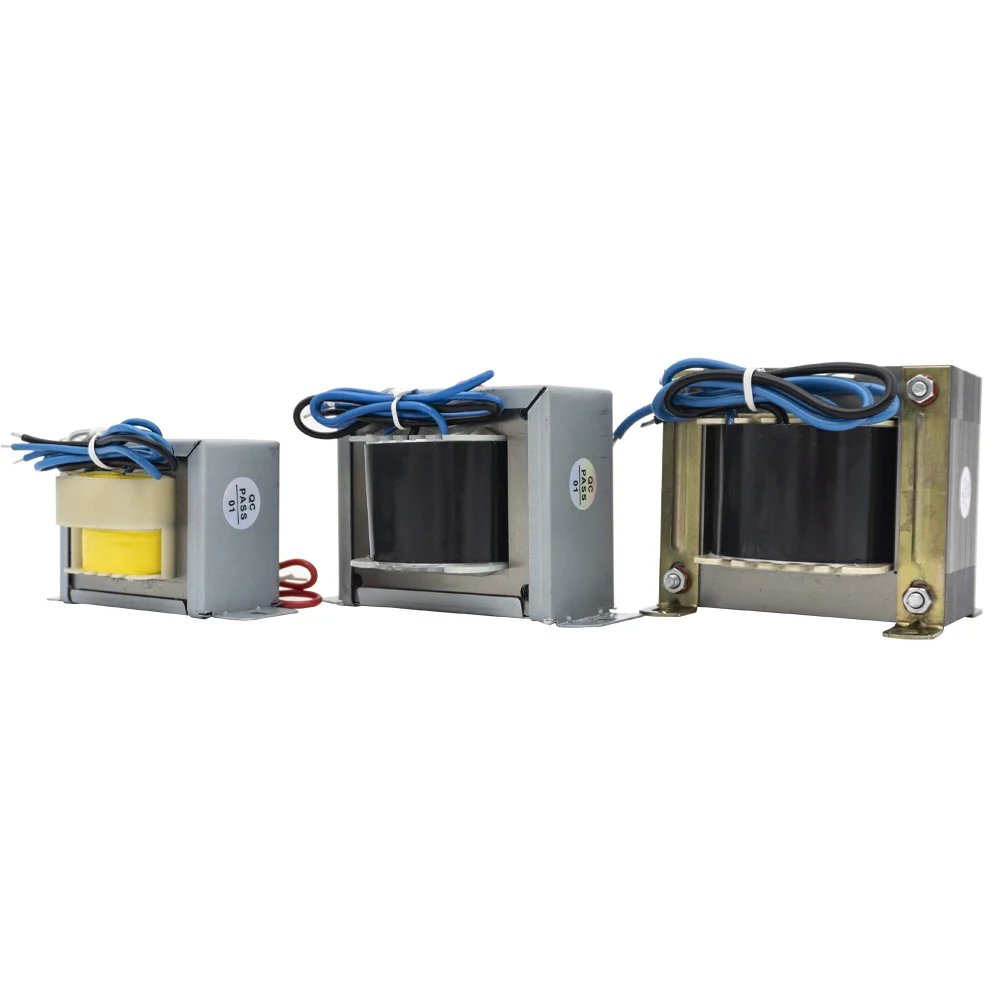

In today’s rapidly evolving industrial and power-distribution landscape, voltage conversion is no longer a simple supporting function—it is a strategic necessity that directly influences system stability, energy efficiency, and equipment lifespan. Among the many voltage-conversion solutions available, the stepup transformer remains an essential component across power generation, manufacturing, renewable energy, HVAC systems, and specialized equipment integration. As global demand for reliable power grows, manufacturers such as Tianrui continue to push stepup transformer technology toward higher efficiency, safer operation, and smarter integration.
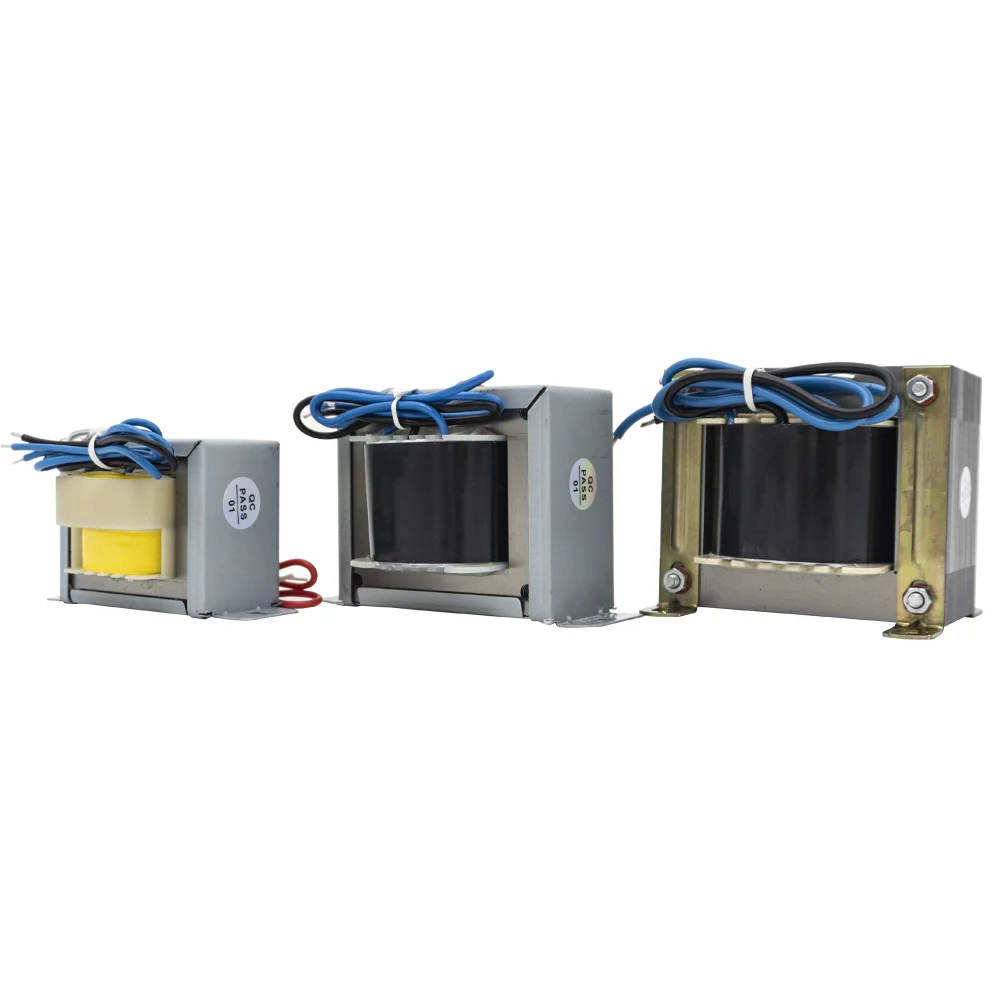
1. Understanding the Stepup Transformer: Beyond the Basics
A stepup transformer increases voltage from a lower input level (primary side) to a higher output level (secondary side). While the fundamental principle of electromagnetic induction remains constant, the engineering sophistication behind today’s transformers is far more advanced.
Key Technical Characteristics
Higher secondary coil turns relative to the primary coil
Minimal core losses, achieved through grain-oriented silicon steel or nanocrystalline materials
High winding insulation grade to accommodate elevated output voltage
Stable impedance for controlled voltage rise
Thermal protection systems ensuring continuous duty performance
Rather than serving as a simple voltage converter, contemporary stepup transformers also perform grid conditioning, isolation, impedance matching, and energy-quality enhancement.
2. Why Voltage Step-Up Matters in Industrial and Power Distribution Systems
(1) Power Transmission Efficiency
High-voltage transmission dramatically reduces current, minimizing copper losses (I²R). Stepup transformers make long-distance power delivery economically viable.
(2) Integration of Renewable Energy
Solar PV systems, wind turbines, and distributed generation units typically produce low or medium-voltage output. They require a stepup transformer to match utility-grid voltage and ensure grid-tie compliance.
(3) Equipment Performance Optimization
Many industrial machines—especially motors, furnaces, high-frequency devices, and precision manufacturing solutions—demand voltages higher than standard line supply.
(4) Voltage Stability and Protection
Stepup transformers inherently provide:
Electrical isolation
Surge buffering
Improved power quality
Better system reliability
With the increasing sensitivity of automation, digital control, and modular equipment, stable voltage is no longer optional.
3. Engineering Advantages of Tianrui Stepup Transformers
Tianrui has established itself as a trusted global manufacturer by focusing on transformer performance, environmental adaptability, and lifecycle longevity. Their stepup transformers are tailored for challenging industrial environments and continuous duty.
Core Advantages
• High-Efficiency Magnetic Core Architecture
Tianrui uses low-loss silicon steel or amorphous cores, reducing no-load losses and improving thermal behavior under fluctuating load conditions.
• Precision-Wound Coils
Copper or aluminum windings are machine-tensioned to maintain uniform coil density, preventing hotspots and reducing impedance imbalance.
• Enhanced Insulation System
High-temperature enamel coating, multi-layer insulation paper, and epoxy reinforcement ensure safe operation at elevated voltages.
• Advanced Cooling Options
Depending on system demand, Tianrui transformers support:
Air-natural cooling (AN)
Air-forced cooling (AF)
Oil-immersed cooling
This ensures stable operation under heavy and long-duration loads.
• Custom Input/Output Voltage Ranges
Tianrui provides engineering customization for non-standard voltage ratios, frequency variations, harmonic-rich environments, and application-specific requirements.
4. Application Scenarios Where Stepup Transformers Are Essential
❖ Power Plants and Utility Substations
Used to elevate generator output voltage for grid transmission, optimizing downstream power flow and ensuring national grid stability.
❖ Photovoltaic and Wind Power Generation
Essential for exporting renewable energy to medium- or high-voltage distribution networks.
❖ Industrial Machinery and Manufacturing Lines
Equipment such as laser cutting machines, plasma systems, and induction furnaces require stable high-voltage input for peak performance.
❖ HVAC, Refrigeration, and Pump Motors
Motor-driven systems achieve better torque response and reduced current draw when supplied with elevated voltage.
❖ Infrastructure, Railways, and Smart City Power
Stable voltage support is crucial for signaling systems, charging stations, and municipal power equipment.
5. Key Factors to Consider When Selecting a Stepup Transformer
When specifying a transformer for industrial procurement or system integration, buyers must evaluate more than voltage ratio.
• Rated Capacity (kVA or MVA)
Proper capacity sizing prevents overload and premature thermal aging.
• Cooling Method
Applications with continuous high load may require forced-air or oil-immersed cooling.
• Voltage Regulation and Impedance
Critical to maintaining stable voltage during load fluctuations.
• Efficiency and Core Loss
Directly impacts operational costs and long-term power consumption.
• Harmonic Handling Capability
Important for environments with VFDs, servo drives, or non-linear loads.
• Environmental Conditions
Humidity, dust, temperature, and installation altitude all influence transformer selection.
• Compliance and Certification
Buyers should verify CE, UL, ISO, or regional grid-integration standards.
Tianrui provides full engineering consultation to ensure each transformer aligns with real-world operating conditions.
6. Why Global Buyers Trust Tianrui Stepup Transformers
As international demand shifts toward higher efficiency and energy savings, Tianrui continues to evolve with:
High-precision manufacturing systems
Rigorous quality inspection
Material traceability
Long service life design
Comprehensive technical support
Their solutions are particularly valued in OEM manufacturing, renewable-energy EPC projects, utility upgrades, and industrial export equipment.
A well-engineered stepup transformer does more than raise voltage—it elevates the entire performance framework of an electrical system.
https://www.hbtrec.com/how-a-stepup-transformer-enhances-efficiency-and-performance.html