
Children are naturally creative. Give them a simple object and they can turn it into something magical. A spoon becomes a microphone, a blanket becomes a superhero cape, and a cardboard box becomes a spaceship. However, the design of the products they use every day plays a strong role in either nurturing or limiting that creativity. From toys and school supplies to furniture and beverages, thoughtful product design can inspire imagination, exploration and self-expression.
The power of open design
One of the most important elements to encourage creativity is open design. Products that do not have a single fixed purpose allow children to think beyond instructions. For example, building blocks can be transformed into houses, towers, bridges or imaginary worlds. Art supplies can become tools for storytelling.
When a product leaves room for interpretation, children fill in the gaps with their imagination. Conversely, overly structured products with strict instructions or limited results can limit creative thinking. If a toy performs only one function at the push of a button, the child becomes a passive observer rather than an active creator.
Open product design invites experimentation, problem-solving and original thinking.
Color and visual appeal
Colours significantly affect mood and imagination. Bright, playful colors often stimulate energy and excitement, while softer tones can encourage calm and focus. Designers who judiciously use color combinations can arouse curiosity and emotional engagement.
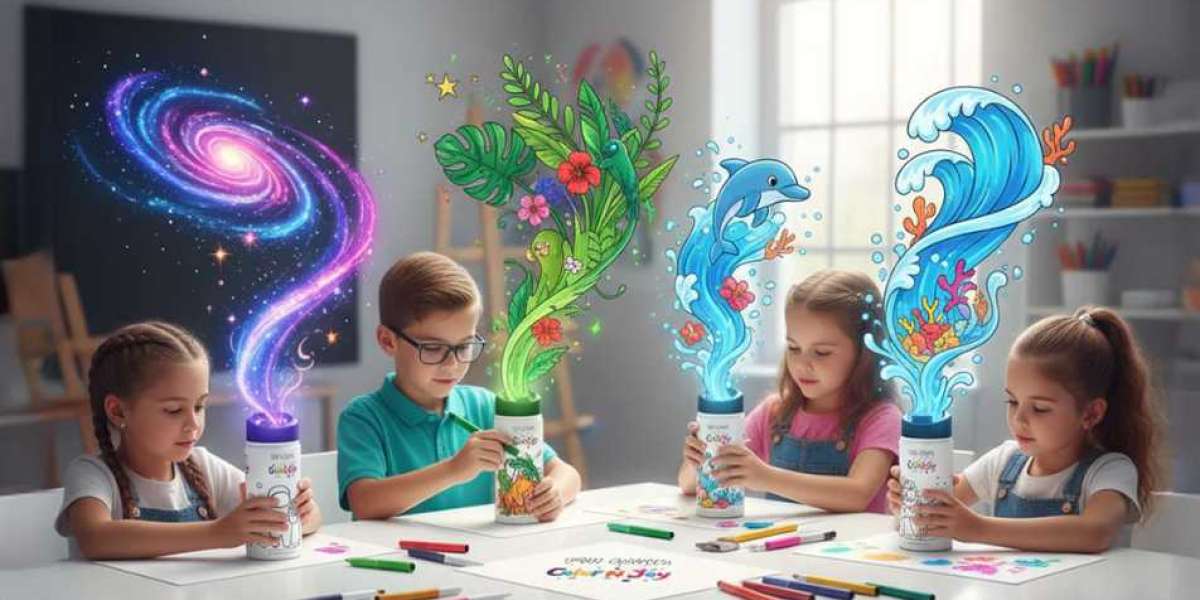
Children are naturally attracted to visually appealing objects. A creatively designed product with engaging patterns, illustrations or themes grabs attention immediately. For example, brands like Color N Joy focus on colorful, interactive designs that encourage children to engage creatively with everyday objects.
When a child feels excited about how something looks, they are more likely to use it often and explore its possibilities.
Personalisation and ownership
Product design that allows for personalisation has a profound impact on creativity. When children can customise an item – whether by colouring it, adding stickers or choosing specific themes – they develop a stronger emotional connection to it.
Personalisation promotes a sense of ownership. Instead of just using a product, children feel that they are part of its creation. This commitment builds self-confidence and self-expression.
For example, a water bottle that can be decorated becomes more than just a hydration tool. It becomes a canvas for artistic exploration. A backpack with customizable patches becomes a reflection of personality. These design choices encourage kids to think creatively about how they present themselves to the world.
Encourage problem solving
Good product design often contains subtle challenges. Puzzles, building sets and interactive activity sets are designed to encourage logical thinking and experimentation. When children encounter small obstacles in play, they learn to think critically and try different solutions.
Design elements such as modular parts, adjustable components or multi-purpose functions stimulate problem-solving skills. Instead of getting immediate results, children learn patience and perseverance.
Products that balance challenge with accessibility support creative thinking without causing frustration. This careful design approach helps children build resilience as they explore new ideas.
Sensory engagement
Creativity thrives when several senses are engaged. Texture, shape, weight and material all contribute to how a child interacts with a product. Soft fabrics, smooth wood, structured surfaces or light materials create varied sensory experiences.
Hands-on interaction strengthens neural connections and enhances imagination. A children's building with wooden blocks experiences the weight and balance of each piece. A child coloring a textured surface feels the movement of the hand over it. These sensory inputs deepen engagement and inspire creative exploration.
In contrast, screen-based experiences primarily involve sight and sound, which limits tactile stimulation. Physical product design provides a richer, multisensory experience.
Storytelling through design
Products that incorporate themes or subtle narratives encourage storytelling. A lunch box decorated with a space theme can inspire conversations about astronauts and planets. A toy animal set can lead to imaginative jungle adventures.
Designers often use characters, patterns or symbolic elements to trigger storytelling. These visual cues provide a starting point, but the child completes the story through imagination.
When products support storytelling, they strengthen language development and creative thinking. Children invent scenarios, dialogue and whole imaginary worlds – all influenced by well-thought-out design elements.
Balances structure and freedom
While open design is powerful, a balance between structure and freedom is essential. Too much structure can limit imagination, but too little guidance can overwhelm younger children.
Effective product design provides gentle direction while leaving room for interpretation. For example, a themed color bottle provides outlines that guide artistic activity, but gives freedom to choose colors and patterns.
This balance ensures that children feel supported, yet unrestricted. They have a framework to begin with, but the result remains uniquely theirs.
The long-term impact
The influence of product design on creativity extends beyond childhood. Early exposure to open, interactive and thoughtful products shapes how children approach challenges later in life.
Creative thinking supports innovation, adaptability and problem-solving in adulthood. By designing products that encourage imagination and exploration, companies help develop confident, resourceful individuals.
Conclusion
Product design plays a strong role in shaping children's creativity. Through open functionality, engaging colors, personalization options, sensory engagement and storytelling elements, thoughtfully designed products inspire imagination and exploration.
When children are given tools that invite them to create rather than just consume, their natural creativity flourishes. Any well-designed product becomes more than an object – it becomes an opportunity for self-expression, learning and growth.
https://secretsofgrindea.com/forum/index.php?members/petersons.28320/#about
https://www.chevycobaltforum.com/members/petersons.22513/#about
https://startupxplore.com/en/person/petersons
https://fairygodboss.com/users/profile/0Rv_HA2y_S/peter-sons
https://triberr.com/petersons
https://payhip.com/petersons
https://www.spoonflower.com/profiles/petersons?sub_action=shop
https://www.efunda.com/forum/show_member.cfm?member=petersons2
https://ioc.exchange/@petersons
https://makeagif.com/user/petersons2