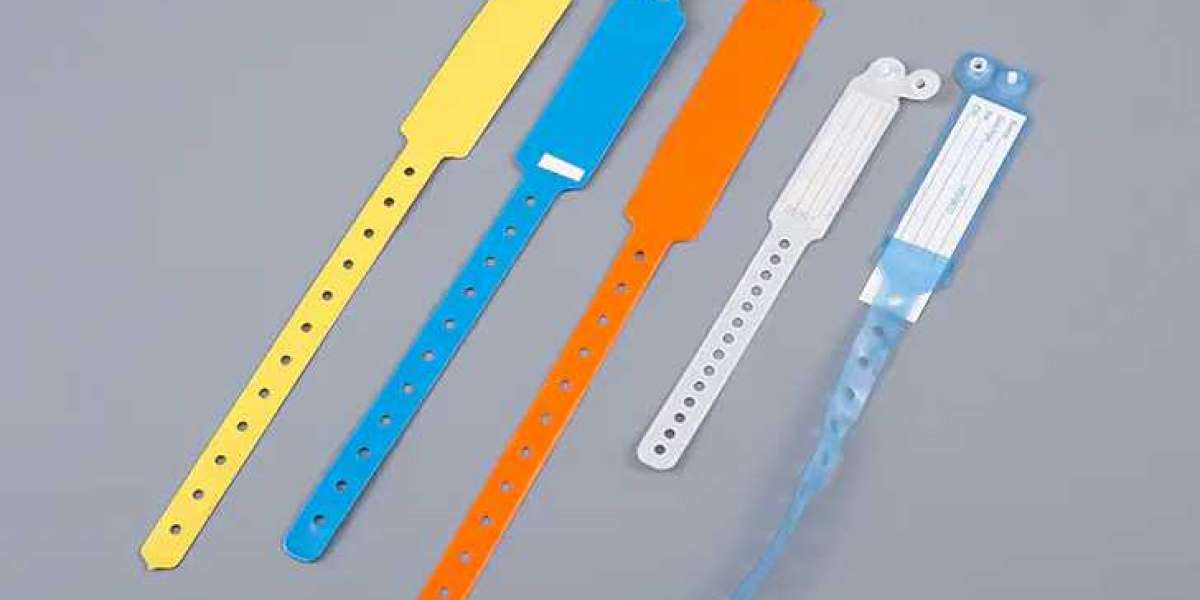

Disposable ID bands are one of those simple tools that quietly prevent big problems. Whether you're trying to stop patient mix-ups in a hospital, control access at a festival, or manage visitors in a secure facility, the goal is the same: identify the right person quickly and reliably, for a limited period of time. The best bands do that without slowing staff down or irritating the wearer.
Here's a structured guide to what disposable ID bands are, how they differ by setting, and how to choose the right type for medical, event, and security use.
What disposable ID bands are (and why they work)
A disposable ID band is a temporary wrist (or sometimes ankle) band designed for single-use identification. Most include a writable area, a printed code, a barcode/QR code, or an embedded RFID/NFC element. They're "disposable" because they're intended to be applied once and removed by cutting or tearing—helping reduce reuse, fraud, and cross-contamination.
Their effectiveness comes from four traits:
- Always on the person: Harder to misplace than a ticket or paper slip.
- Fast to verify: Staff can visually confirm or scan in seconds.
- Hard to transfer: Many include tamper-evident closures that show signs of removal.
- Consistent workflow: Application can be standardized across a site.
Medical applications: patient safety first
In healthcare, disposable ID bands are part of patient safety infrastructure. Their primary job is to help ensure the "rights" of care—right patient, right procedure, right medication, right specimen.
Typical uses in medical settings
- Patient identification during admissions, transfers, and discharge
- Medication administration verification
- Specimen collection labeling alignment (reducing mismatch risk)
- Mother–baby matching in maternity care
- Allergy, fall risk, and special-status alerts (often via color coding)
Key requirements for medical ID bands
- Durability: Must survive handwashing, showering, sweat, lotions, and disinfectants.
- Skin comfort: Soft edges and hypoallergenic materials matter for multi-day wear.
- Legibility: Printed text should resist smudging and fading; writable areas should stay readable.
- Scanning performance: Barcodes/QR codes must remain scannable after wear and moisture.
- Tamper evidence: Closures should show clear signs of being opened or swapped.
Common medical materials
- Thermal printable wristbands: Designed for on-demand printing (name, DOB, MRN, barcode).
- Soft plastic/vinyl bands: Durable and moisture resistant, often used for longer stays.
- Synthetic "paper-like" bands: Comfortable and economical for short-term use, depending on coating.
- In hospitals, selection often comes down to compatibility with printing/scanning systems and how well the band holds up over a typical length of stay.
Event applications: access control and revenue protection
At events, the wristband is both an ID and a ticket substitute. It's used to show admission, access level, age verification, meal/drink packages, and re-entry privileges.
Typical uses at events
- Admission validation and re-entry control
- VIP/backstage zone access separation
- Age verification for alcohol service
- Cashless payment linkage (when using RFID)
- Sponsor activations and controlled giveaways
What matters most for events
- Speed of entry: Bands must apply quickly and scan reliably.
- Anti-transfer: Tamper-evident closures reduce hand-offs at gates.
- Visual management: Clear colors and designs help staff verify from a distance.
- Weather resistance: Outdoor events need bands that withstand rain, heat, sunscreen, and sweat.
- Branding: Custom printing can support sponsorship and reduce counterfeiting.
Popular event formats
- Tyvek-style bands: Lightweight, affordable, good for short events; can be vulnerable to moisture unless designed for it.
- Plastic bands: Stronger and more water resistant; better for multi-day events.
- RFID bands: Higher cost but enable faster throughput and richer data (access logs, cashless systems).
Security applications: controlled spaces and visitor management
In security-focused environments—schools, factories, labs, government buildings, warehouses—disposable ID bands can supplement badges, especially for visitors, contractors, or temporary access.
Typical security uses
- Visitor identification and area restriction
- Contractor access during specific shifts
- Crowd management during incidents or drills
- Temporary group identification (e.g., tour groups, evacuees)
Security-driven selection criteria
- Tamper evidence and non-transferability: Clear signs of removal are essential.
- Access tiering: Color coding or printed permissions (“Authorized Area A only”) reduces mistakes.
- Short-life control: Bands can be dated, time-stamped, or designed to degrade after a set period.
- Audit support: Barcodes or RFID enable check-in/out logs and traceability.
Security teams often value bands that are obvious at a glance—because fast visual verification reduces reliance on constant database checks.
How to choose the right disposable ID band
Choosing well is less about "best band" and more about fit-for-purpose. A quick decision framework:
Environment and wear duration
- Will it be worn for hours, days, or a week?
- Will it face water, chemicals, friction, or heavy sweat?
Identification method
- Visual only: Name/role printed, color coding, icons.
- Scan-based: Barcode/QR for speed and reduced human error.
- RFID/NFC: Best for access control automation, cashless payments, and activity tracking.
Closure and tamper evidence
Look for closures that are easy to apply but difficult to remove intact. For medical and security, tamper evidence is usually a non-negotiable feature.
Comfort and skin sensitivity
Softer materials, rounded edges, and breathable designs matter for pediatrics, elderly patients, and long-wear applications.
Printing and data workflow
If you need variable data (names, codes), consider:
- On-demand thermal printing compatibility
- Smudge resistance and scan durability
- Data fields that match your operational process (not just what looks good)
Disposable ID bands work so well because they make identification wearable and routine: staff can apply them in seconds, verify them at a glance or with a quick scan, and rely on tamper-evident closures to discourage swapping or reuse. In hospitals and clinics, that translates into safer patient matching and fewer preventable mix-ups. At events, it means smoother entry, clearer access tiers, and better protection of ticket revenue. In security-sensitive sites, it supports rapid, highly visible screening without slowing normal movement.
The smartest results come from choosing the right combination of material durability, closure design, and ID technology (print, barcode/QR, or RFID) for your environment and risk level. Many organizations standardize these details with suppliers such as https://www.sztexnet.com/product/surgery-nursing/id-bands/ so the band stays consistent, compliant, and dependable—quietly doing its job while the operation keeps running.