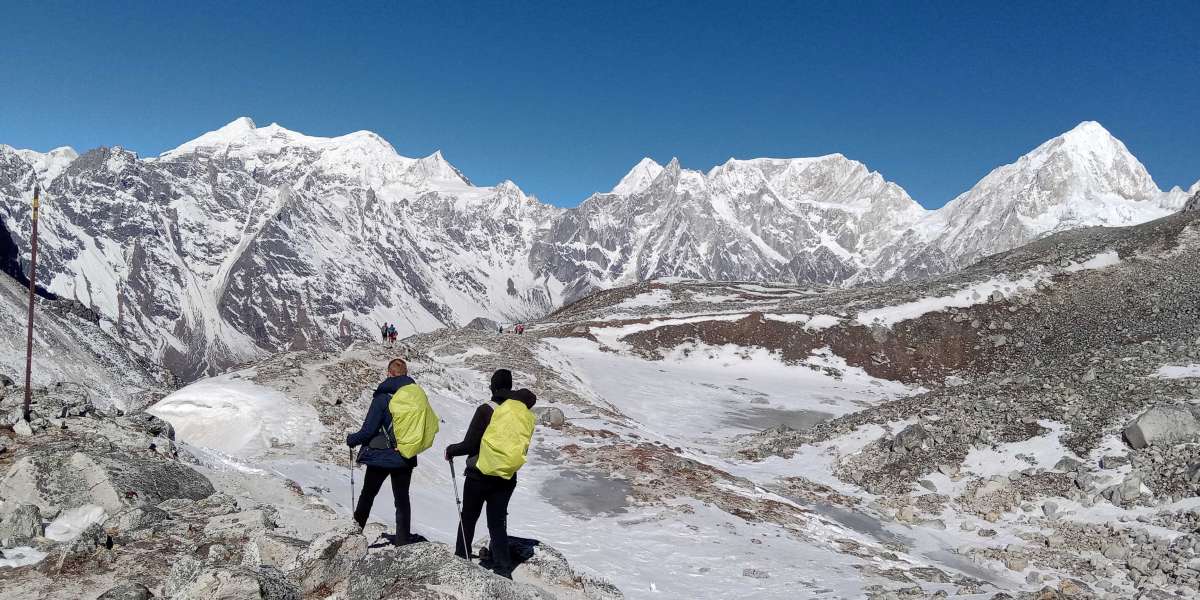

The Annapurna Circuit trek is one of the most celebrated journeys in the world, attracting adventurers who seek both natural beauty and cultural immersion. Spanning over 230 kilometers, this trek offers an extraordinary range of landscapes, from subtropical lowlands to high-altitude deserts, all set against the backdrop of the majestic Himalayas. Embarking on a 15-day Annapurna Circuit trek is more than just a physical challenge; it is a transformative experience that allows trekkers to witness Nepal’s diverse terrains and unique communities firsthand.
Starting from the bustling town of Besisahar, the trail begins gently, winding through rice paddies, rivers, and small villages. The early stages offer a glimpse of traditional Nepali life, with terraced fields, local farmers at work, and children waving cheerfully to passing trekkers. The sense of stepping into a world that has remained largely unchanged for generations is immediate and captivating. The rhythm of the trail, combined with the soft murmur of flowing water, creates a serene environment that gradually prepares the body and mind for the challenges ahead.
As the trek ascends into the lower hills, the environment begins to transform. Subtropical vegetation gives way to dense forests of pine and rhododendron, filling the air with a fresh, earthy scent. The sounds of birds and rushing streams accompany trekkers, creating a meditative connection with nature. Along the way, traditional teahouses provide warmth, nourishment, and a window into local customs. Sharing meals of dal bhat or sipping fresh tea becomes more than sustenance—it is an opportunity to engage with the local culture and the hospitable people who inhabit these remote regions.
Climbing higher, the trail enters the more rugged Himalayan foothills, where the mountains start to reveal their grandeur. Snow-capped peaks appear over distant ridges, offering stunning panoramas that inspire both awe and anticipation. The physical challenge increases with every step, but the surrounding beauty motivates trekkers to push onward. Deep valleys, glacial rivers, and cascading waterfalls enhance the trekker’s connection to the environment, reminding all who walk the trail of the raw and unspoiled power of nature.
One of the most striking aspects of the Annapurna Circuit is its cultural richness. As trekkers approach higher altitudes, the influence of Tibetan culture becomes more prominent. Mani walls, prayer flags, and small monasteries dot the trail, reflecting the deep spiritual heritage of the region. Small settlements provide not only rest but also insight into the resilience and warmth of high-altitude communities. Conversations over tea or shared meals reveal the strength and hospitality of people who have adapted to some of the most challenging environments on Earth.
The trek’s high point, Thorong La Pass, tests endurance and acclimatization. Ascending to over 5,400 meters, trekkers encounter thinner air, colder temperatures, and dramatic landscapes. The barren, almost lunar environment contrasts sharply with the lush valleys encountered earlier, highlighting the Himalayas’ incredible ecological diversity. Every step along this high-altitude stretch demands focus and resilience, but the sweeping vistas of snow-capped peaks and open skies make every effort worthwhile.
Descending from the pass, the scenery undergoes yet another transformation. High-altitude deserts gradually give way to fertile valleys, lush forests, and rivers that flow abundantly. The landscape softens, and the air becomes warmer, providing a sense of relief and accomplishment. Villages along the descent are marked by terraced farmland and vibrant community life, offering glimpses into local traditions that have endured for centuries. The contrast between stark high-altitude landscapes and verdant lower valleys underscores the Annapurna Circuit’s unparalleled diversity.
Throughout the trek, trekkers encounter abundant wildlife and natural features that enrich the journey. Birds, Himalayan monkeys, and even the occasional sighting of elusive snow leopards remind visitors of the region’s ecological richness. Rushing streams, waterfalls, and glacial rivers provide a dynamic backdrop, linking the various stages of the trek and offering moments of reflection and connection with nature. The diversity of flora and fauna, combined with the grandeur of the mountains, makes the Annapurna Circuit not just a trek, but a complete sensory and emotional experience.
Beyond the physical challenges, the Annapurna Circuit provides opportunities for personal growth and introspection. Hours spent walking through rugged terrain foster mindfulness, patience, and resilience. The simplicity of life on the trail, combined with the rhythm of walking, eating, and resting, encourages trekkers to focus on the present moment. Many find that the journey becomes as much an internal exploration as an external adventure, revealing strengths, determination, and a deeper appreciation for life.
As the trek nears its conclusion, the trail winds through fertile valleys, signaling the return to lower altitudes. The lush greenery and vibrant village life are in stark contrast to the high-altitude deserts crossed earlier. This final stretch offers time for reflection, allowing trekkers to appreciate the full scope of the journey—from subtropical foothills to the heights of the Himalayas and back to thriving valleys. The sense of accomplishment is both physical and emotional, as trekkers recognize the effort, perseverance, and adaptability required to complete this remarkable adventure.
Finishing the 15-day trek brings a profound sense of fulfillment. The journey from Besisahar through diverse landscapes, across towering mountains, and into thriving valleys is a testament to the power and beauty of Nepal. Trekkers return home with not only stunning photographs and vivid memories but also a deeper connection to nature, culture, and themselves. The Annapurna Circuit leaves a lasting impression, inspiring both reflection and gratitude.
For anyone planning this trek, preparation is essential. Fitness, acclimatization, and respect for local culture all enhance the experience. However, the most rewarding aspect lies in embracing the journey fully—walking paths shaped by centuries of history, witnessing some of the world’s most spectacular landscapes, and engaging with communities who have lived in harmony with the mountains for generations. Each stage of the trek presents a new lesson, a new challenge, and a new wonder.
Ultimately, the Annapurna Circuit is more than a trek. It is a journey of discovery, endurance, and awe. The 15-day experience takes travelers through Nepal’s most diverse landscapes, offering moments of reflection, exhilaration, and deep connection. From subtropical forests to high-altitude passes, from Tibetan villages to fertile valleys, every step of the journey is an opportunity to witness the Himalayas’ grandeur and to explore one’s own limits. This trek remains one of the world’s most unforgettable adventures, leaving trekkers with memories and insights that endure long after they descend from the mountains.