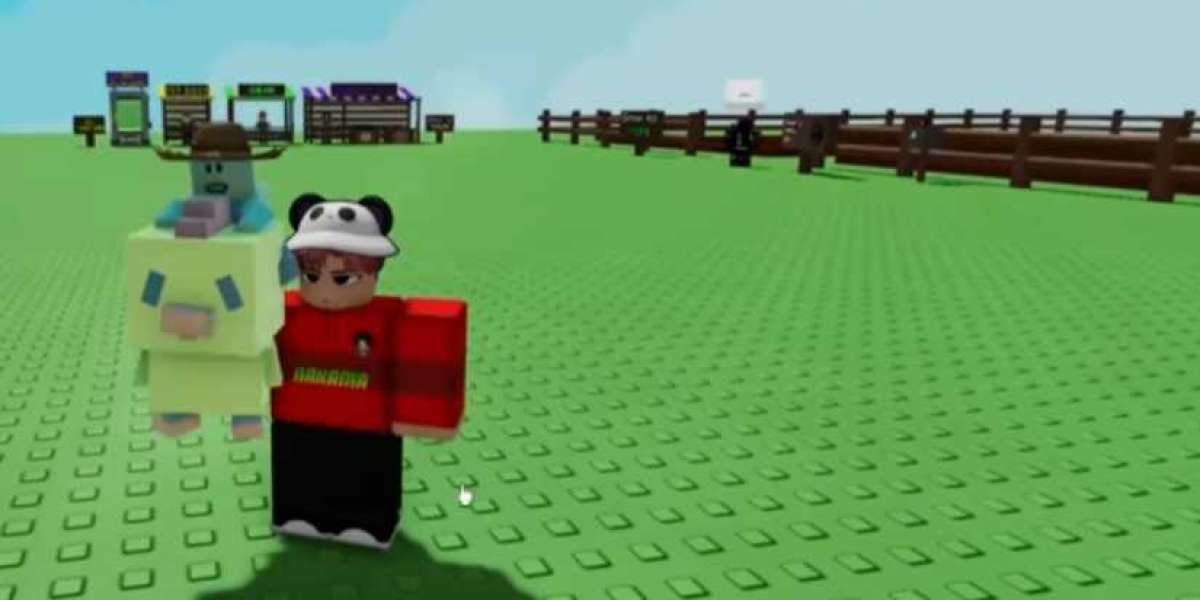

In Grow A Garden, pets play a big role in boosting your garden’s efficiency, creating mutations, and interacting with other pets. One pet that often confuses new and even experienced players is the Wasp, introduced in the Friendship Update. In this guide, I’ll explain everything you need to know about the Wasp, how it works in practice, and how most players use it effectively.
How Do You Get a Wasp?
The Wasp is a rare pet that not everyone will get on their first try. In general, there are three ways to obtain one:
Anti Bee Egg: Most players get the Wasp from the Anti Bee Egg, which has a 55% chance of hatching a Wasp. This egg is sometimes available in the Limited Time Shop, and in the past, it could be purchased with Robux 2019 Logo Black 149.
Crafting: If you already have a Bee Egg and 25 Honey, you can craft an Anti Bee Egg, giving you another route to get a Wasp.
Trading and external sources: Some players look for websites to buy grow a garden items, including rare pets like the Wasp, though this comes with risks and is less common than in-game methods.
In practice, most players focus on farming or crafting eggs because relying on limited-time shop availability can be inconsistent.
Wasp Appearance and Traits
Understanding the Wasp’s appearance helps when identifying it in your garden:
The Wasp has a curved figure.
Its body is darkened yellow, while the abdomen is striped in bright yellow and black.
It has two pairs of dark yellow wings and an aggressive-looking face.
This design makes the Wasp stand out compared to other pets, so most players quickly recognize it when hatching eggs.
What Does the Wasp Do?
The Wasp’s main traits are tied to pollination and stinging, both of which can significantly affect your garden over time.
Pollination: Every 30 minutes, the Wasp flies to a nearby fruit and applies the Pollinated mutation. Players usually notice a message in the chat: “Wasp applied Pollinated mutation to the Plant.” This makes the Wasp valuable for generating new mutations, especially if you are actively trying to unlock rare plant traits.
Stinging Other Pets: Every 10 minutes, the Wasp randomly stings a nearby pet, advancing that pet’s ability cooldown by 67 seconds. In practice, most players keep an eye on this because it can disrupt pets that rely on abilities for production or mutations. Some experienced players use the Wasp strategically to slow down certain pets in multiplayer gardens.
Using the Wasp Effectively
Most players find that the Wasp works best when combined with pets that have mutation-related abilities or plants that benefit from frequent pollination. Here’s what you should keep in mind:
Pollination timing: The 30-minute interval is fixed, so the Wasp won’t instantly pollinate multiple fruits. You usually want to have at least one fruit nearby to maximize this ability.
Ability disruption: The 10-minute sting can interfere with other pets’ cycles, so in general, you want to place the Wasp where it will affect pests or less important pets, not the ones you rely on most.
Mutations strategy: Pollinated fruits can sometimes trigger rare mutations if combined with other pollinated traits. Most players try to coordinate the Wasp’s pollination with plants already in a mutation-ready state.
Wasp Mutations and Variants
The Wasp interacts with a wide variety of mutations. In general, the pollinated plants can trigger:
Aromatic
Corrupted
Fried
Frozen
GiantBean
Glimmering
Golden
Inverted
IronSkin
Mega
Nightmare
Peppermint
Radiant
Rainbow
Shiny
Tiny
Tranquil
Windy
Most players keep track of which mutations they have already obtained, using the Wasp specifically to fill gaps in their mutation gallery. This is especially useful in larger gardens where mutation chains can take a long time.
Common Questions About the Wasp
Q: Is the Wasp good for all gardens? A: Not always. In general, the Wasp is most effective in gardens focused on mutation farming. For players mainly farming resources, its 10-minute stings can be disruptive.
Q: Can multiple Wasps be used together? A: Yes, but players usually notice that overlapping pollination doesn’t stack beyond one mutation per fruit. Two or more Wasps can speed up coverage in bigger gardens, though.
Q: Does the Wasp require feeding? A: Yes, it has a hunger value of 28,000. Most players feed it regularly to keep it active, as an unfed Wasp won’t perform pollination or stings.
Q: How rare is the Wasp? A: Since it has a 55% chance from the Anti Bee Egg, it’s considered a rare but not impossible pet. Players often recommend hatching multiple eggs if you’re trying to obtain it.
Tips from Experienced Players
Timing and placement matter: Keep the Wasp near high-value fruits to maximize pollination.
Combine with other mutation pets: Some players use the Wasp alongside pets that enhance mutations to speed up rare plant collection.
Monitor stings: Place less critical pets nearby if you don’t want important abilities delayed.
Keep it fed: Regular feeding ensures the Wasp stays active. Most players set reminders or automate feeding in their routines.
By following these practical strategies, the Wasp becomes a consistent tool in a garden aimed at mutations and maximizing plant potential.
The Wasp is a versatile, rare pet in Grow A Garden. It’s most useful for mutation farming, thanks to its pollination ability, but it requires careful management due to its stings and feeding needs. Most players who use the Wasp strategically see better results in mutation collection, while casual players may not notice a huge difference in daily farming. Understanding its timing, placement, and interaction with other pets is key to getting the most out of it.