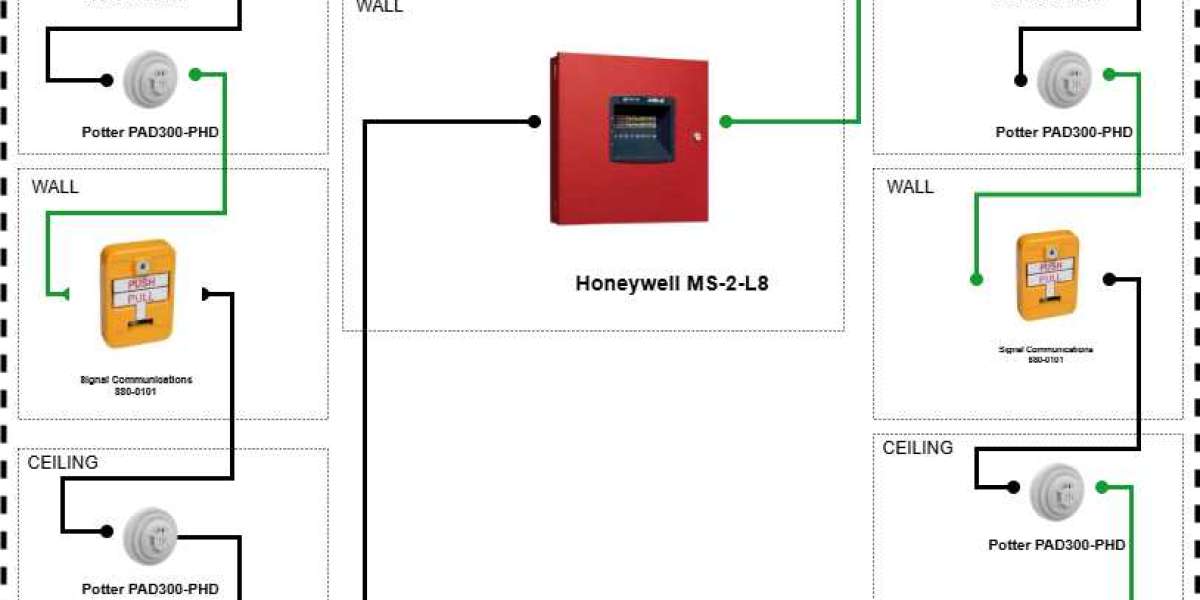

Wireless fire alarm systems have become the preferred choice for homes and commercial spaces in 2025. They offer convenience, flexibility, and faster installation compared to traditional wired systems. However, not all wireless fire alarms are created equal. Choosing a system with the right features is crucial for ensuring reliable fire detection and overall safety. This guide highlights the top features to look for when selecting a wireless fire alarm system in 2025.
Reliable Wireless Connectivity
The core feature of a wireless fire alarm system is strong and reliable connectivity. Look for systems that use mesh networking or robust interconnectivity. This ensures that all alarms in your home or building communicate effectively, triggering simultaneously in case of fire. Strong connectivity is especially important in multi-floor buildings or areas with thick walls that could otherwise block signals.
Multi Sensor Detection
Modern wireless fire alarms often include multiple sensors to detect various fire hazards. Smoke detectors identify smoke particles, heat detectors sense sudden temperature spikes, and carbon monoxide detectors monitor dangerous CO levels. Multi sensor devices combine these functions, reducing false alarms while increasing safety. Systems with multi sensor capabilities provide comprehensive coverage for both slow smoldering and fast flaming fires.
Long Battery Life and Low Maintenance
Battery performance is critical in wireless systems. Look for alarms with long-lasting batteries, typically ranging from five to ten years. Some devices come with sealed batteries that do not require replacement, reducing maintenance needs. Systems with battery status alerts notify you when it is time to replace batteries, ensuring continuous protection.
Interconnectivity and Range
Effective interconnection is vital for timely alerts. Choose systems where all detectors sound simultaneously when one is triggered. Also, check the wireless range to ensure coverage across your entire property. Extended range and interconnectivity are especially important in larger homes, multi-story apartments, or commercial spaces.
Smart Features and Mobile Notifications
Many wireless fire alarm systems now include smart features, including WiFi connectivity, mobile alerts, and cloud integration. These allow you to monitor your system remotely receive instant notifications, and even control certain functions via mobile apps. Smart alarms are particularly beneficial for homeowners who are away during emergencies or for buildings that require centralized monitoring.
Ease of Installation
One of the main advantages of wireless systems is ease of installation. Look for alarms that come with mounting kits, adhesive pads, or simple screw installations. Systems that allow easy DIY setup save time and cost. Proper installation ensures that detectors function optimally and cover all necessary areas.
Compliance with Safety Standards
Ensure that the wireless fire alarm system meets local fire safety regulations and international certification standards. Compliance with recognized standards guarantees reliability, reduces liability, and simplifies inspections. Certified systems also provide reassurance that the devices have been tested for performance and safety.
False Alarm Reduction
A good system minimizes false alarms caused by cooking smoke, steam, dust, or humidity. Features like heat compensation, dual sensors, and smart algorithms help reduce false triggers. This improves trust in the system and reduces unnecessary disruptions.
Expandability and Scalability
Your fire alarm system should be scalable to accommodate future expansion. Choose systems that allow adding more detectors or modules without significant rewiring or complicated setup. Expandable systems are ideal for growing families, renovated spaces, or commercial properties that may change over time.
Audible and Visual Alerts
Wireless fire alarms should provide clear audible alarms and visual indicators such as LED lights. Loud alarms ensure that everyone in the property is alerted quickly, including people in noisy environments. Visual alerts are especially useful for hearing-impaired individuals and for confirming which detector has been triggered.
Integration with Building Automation
For modern smart homes or offices, integration with building automation systems enhances safety. Wireless alarms can trigger emergency lighting, unlock doors, activate sprinklers, or send alerts to security systems. Such integration ensures coordinated responses during emergencies and reduces risks.
Durability and Build Quality
Look for devices that are durable and built to last. High-quality materials and robust construction ensure that detectors withstand environmental factors like humidity, temperature changes, and accidental knocks. Durable alarms maintain reliability over their lifespan, providing consistent protection.
Professional Support and Warranty
A reliable warranty and professional support are valuable features. Choose systems backed by reputable brands that offer technical support, installation guidance, and replacement parts. This ensures your system remains fully functional and reliable in case of issues.
Conclusion
When selecting a wireless fire alarm system in 2025, focus on features that ensure reliability, quick response, and comprehensive safety. Key features include reliable wireless connectivity, multi sensor detection, long battery life, interconnectivity, smart features, ease of installation, compliance with standards, false alarm reduction, expandability, clear alerts, integration with building automation, durability, and professional support. Prioritizing these features will help you choose a system that provides effective, long-term protection for your home or commercial property.