
In modern business and home security setups, surveillance coverage often requires multiple cameras. Managing multiple camera feeds efficiently is critical for comprehensive monitoring. Network Video Recorder or NVR systems are designed to support multiple camera streams simultaneously, providing high quality video recording, remote access, and seamless management. Understanding how NVR systems handle multiple streams can help businesses and homeowners optimize their surveillance networks. This blog explores the mechanisms, benefits, and considerations of using NVR systems for multiple camera streams.
Understanding NVR Architecture
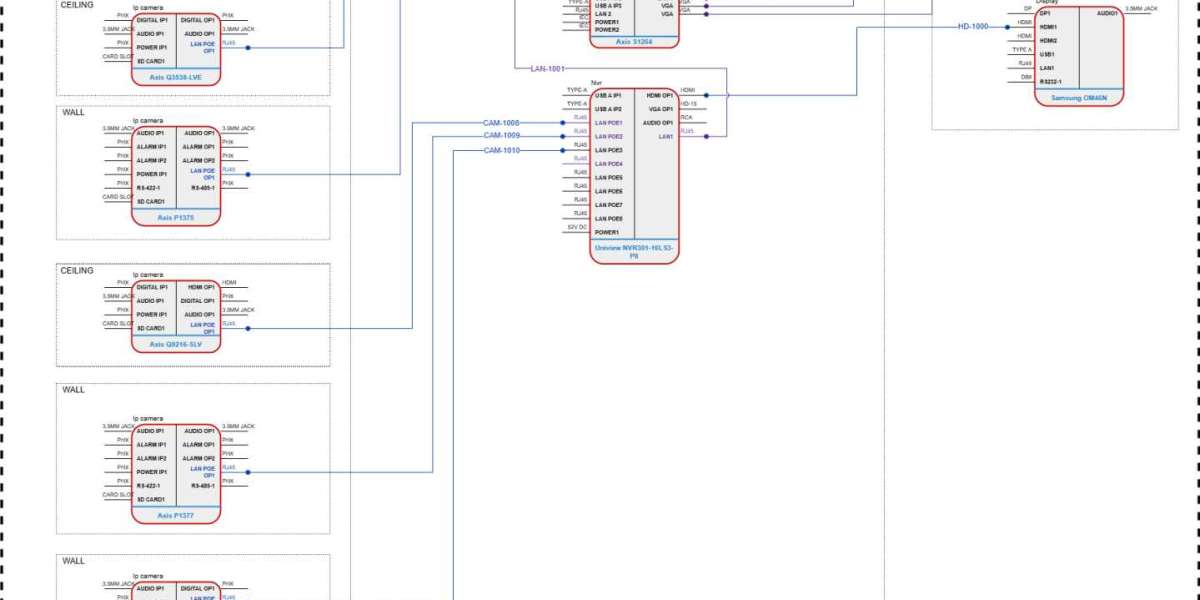
NVR systems work by connecting IP cameras over a network and recording their video streams digitally. Unlike traditional DVR systems that process analog signals, NVRs process digital video directly from the cameras. This allows them to handle multiple streams with higher efficiency and better quality. Each camera transmits its feed independently, and the NVR aggregates, records, and manages all streams centrally. The system architecture includes network interfaces, storage management, and video processing units that work together to ensure smooth handling of multiple cameras.
Channel Capacity
One of the key factors in supporting multiple camera streams is the number of channels an NVR system offers. A channel represents a single camera feed. For example, a four channel NVR can manage four camera streams simultaneously, while a sixteen channel NVR can handle sixteen streams. Small businesses or home setups may start with four to eight channels, whereas larger enterprises may require 32 or more channels. Choosing the right channel capacity ensures that all critical areas are monitored without overloading the system.
Bandwidth and Network Requirements
Supporting multiple camera streams requires adequate network bandwidth. IP cameras transmit video data over the network, and high resolution streams consume more bandwidth. NVR systems often include network switches and PoE ports to manage data traffic efficiently. Proper network planning ensures that each camera receives sufficient bandwidth to deliver smooth video without lag or frame loss. Using gigabit networks and PoE switches helps optimize performance for multiple streams.
Video Compression Technologies
To handle multiple streams efficiently, modern NVR systems use advanced video compression technologies such as H.264 and H.265. These compression standards reduce the size of video files while maintaining image quality. H.265, in particular, can reduce bandwidth and storage requirements by up to 50 percent compared to H.264. Compression enables NVR systems to record high resolution video from multiple cameras simultaneously without overloading storage or network resources.
Real Time Processing
NVR systems support multiple camera streams through real time processing capabilities. Each incoming video feed is processed for recording, motion detection, and smart analytics simultaneously. This allows NVRs to provide features such as motion alerts, line crossing detection, and facial recognition for each camera independently. Real time processing ensures that all cameras operate efficiently without compromising video quality or system responsiveness.
Storage Management for Multiple Streams
Recording multiple camera streams requires efficient storage management. NVR systems include storage solutions that support high capacity hard drives, RAID configurations, and network attached storage. They often use intelligent storage techniques such as event based recording, scheduled recording, and automatic overwrite to optimize disk usage. By managing storage effectively, NVR systems can handle multiple camera streams over extended periods without losing critical footage.
Remote Monitoring and Multi Camera Viewing
NVR systems allow remote monitoring of multiple camera streams from a single interface. Users can view live feeds from all cameras on a single screen using split screen layouts or video walls. Mobile apps and web portals enable monitoring on the go, providing access to all camera streams from anywhere. Multi camera viewing makes it easier to track activities across different areas simultaneously, improving situational awareness and security response.
Integration with Smart Features
Modern NVR systems support smart features for multiple camera streams. Motion detection, human detection, line crossing alerts, and intrusion detection can be applied individually to each camera feed. This allows businesses to prioritize monitoring in critical areas and reduce false alarms. Intelligent analytics for multiple streams enhance security and help identify incidents quickly, ensuring that each camera contributes effectively to the overall surveillance strategy.
Scalability for Future Expansion
NVR systems that support multiple camera streams are highly scalable. Businesses can start with a limited number of cameras and gradually expand their surveillance network as needed. Adding new cameras involves connecting them to the NVR and configuring the system without major hardware changes. Scalability ensures that your surveillance system can grow with your business and continue to provide comprehensive coverage.
Considerations for Choosing an NVR
When selecting an NVR system to support multiple camera streams, consider channel capacity, network bandwidth, storage options, and processing power. Ensure that the NVR supports the resolution and frame rate required for each camera. Look for systems that offer smart features, remote access, and integration capabilities. Evaluating these factors helps businesses and homeowners choose a reliable NVR that efficiently manages multiple camera streams and meets their security needs.
Conclusion
NVR systems are designed to handle multiple camera streams efficiently, providing high quality video, smart analytics, and centralized management. By understanding channel capacity, network requirements, video compression, and storage management, businesses can optimize their surveillance networks for maximum coverage and performance. Supporting multiple camera streams allows NVR systems to deliver comprehensive security, improve situational awareness, and ensure that all critical areas are monitored effectively. With the right NVR system, businesses and homeowners can achieve reliable and scalable surveillance solutions.
Read more: https://www.bondhuplus.com/read-blog/274371