
Setting up a DVR or NVR correctly is one of the most important steps in building a reliable Video Security Camera System. Whether you are using a wired setup for your home or a more advanced network based solution for your business the recorder is the heart of your system. It manages storage video playback camera connections and remote access. A smooth Video Security Camera System Setup requires understanding how DVRs and NVRs work and how they fit into the overall installation process. With advanced features becoming more common especially as AI improves Video Security Camera Systems it is essential to know how to configure your recorder properly for the best performance.
Understanding the difference between DVR and NVR
Before starting your installation you must understand the difference between DVR and NVR. A DVR or digital video recorder is used with analog cameras and relies on coaxial cables for video transmission. An NVR or network video recorder works with IP cameras and uses network cables to send and store video signals. An NVR offers better image quality advanced features and easier scalability which is why many homeowners upgrading their Home Video Security Camera System choose network based setups. Regardless of the device you use the recorder must be set up correctly to ensure smooth operation.
Choose the right location for your DVR or NVR
The positioning of your recorder impacts both performance and security. Choose a well ventilated secure and central location to store the DVR or NVR. Avoid placing it near direct heat sources or in cramped spaces that limit airflow. A locked cabinet is ideal for preventing unauthorized access. Ensure the recorder is close enough to your modem or router for stable connectivity especially for remote access. Proper placement is a foundational step in any Video Security Camera System Setup and helps ensure reliable long term performance.
Connect your cameras to the recorder
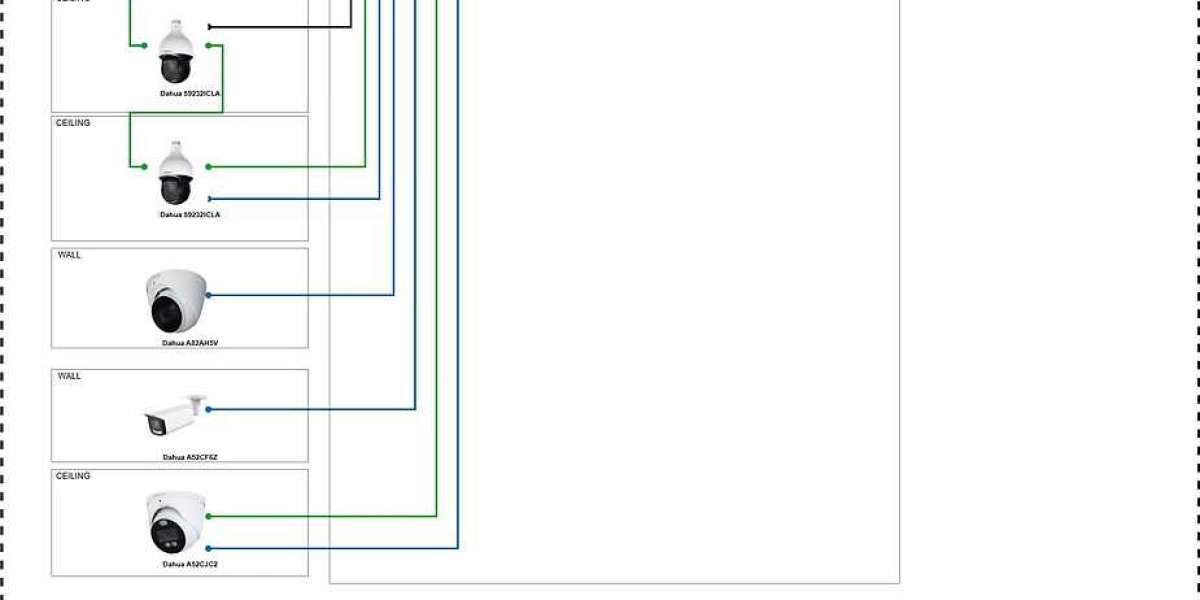
For DVR users connect analog cameras using coaxial cables. Ensure each cable is firmly attached to the correct channel port. If you are installing an NVR connect your IP cameras through Ethernet cables either directly to the NVR or through a network switch. Power over Ethernet systems simplify the process since the same cable delivers both power and video. A clean strong connection ensures your Video Security Camera System captures and records smooth high quality footage.
Attach the recorder to your display device
To complete the physical setup connect your DVR or NVR to a monitor or TV using HDMI or VGA cables. This allows you to view live video playback and menu settings. A clear display is essential when adjusting camera angles configuring settings or reviewing footage. For a Home Video Security Camera System this step is especially useful because it helps you confirm each camera is positioned correctly and capturing the right areas.
Connect the recorder to your network
One of the most important steps is connecting your DVR or NVR to your modem or router. Use an Ethernet cable for stable access. This connection allows remote viewing notifications cloud backups and mobile app control. Without network access your Video Security Camera System becomes limited to local viewing only. Check network settings and ensure your internet connection is active before continuing setup.
Configure recording settings
Recording settings determine how your footage will be stored and how long it will remain available. Most DVR and NVR systems offer continuous recording motion activated recording alarm based recording or scheduled recording. Motion activated recording saves storage space while continuous recording ensures you never miss an event. When setting up your Video Security Camera System adjust recording modes based on the level of security you need. A Home Video Security Camera System may use motion detection for indoor areas while outdoor cameras may benefit from continuous recording.
Set up storage and hard drive management
Every DVR and NVR includes a hard drive for storing footage. During setup you may need to initialize the hard drive to prepare it for use. You can also adjust how long footage is saved before being overwritten. If your system supports additional hard drives or expandable storage consider adding more capacity to avoid losing important recordings. Regular storage checks ensure your Video Security Camera System continues to archive footage without interruption.
Configure camera settings through the menu
Using the recorder menu access individual camera settings to adjust brightness contrast motion sensitivity sharpness and exposure. These settings help improve video clarity and ensure the system performs well under different lighting conditions. AI improves Video Security Camera Systems by offering smart image enhancement features such as noise reduction and dynamic contrast adjustments. Take advantage of these options to optimize video quality for day and night monitoring.
Enable remote viewing and mobile access
Modern DVRs and NVRs allow you to monitor your property from anywhere using a smartphone or computer. To enable remote viewing scan the QR code provided in the system menu or manually enter your network information into the mobile app. Once connected you can view live video playback adjust settings and receive motion alerts. This feature is a major advantage for both business owners and homeowners using a Home Video Security Camera System for on the go monitoring.
Set up user accounts and security features
Security is essential when configuring your recorder. Change the default password immediately and create user profiles with limited access if multiple people will use the system. Enable two factor authentication if available. As AI improves Video Security Camera Systems many recorders now include advanced security features such as intrusion detection identity alerts and tamper notifications. These settings protect your system from unauthorized access and help maintain a secure environment.
Test your system thoroughly
Once your DVR or NVR is fully configured test the entire setup. Check video quality audio functionality motion alerts camera angles night vision storage and network connectivity. Walk through monitored areas to ensure everything is being captured correctly. Testing is a crucial step in every Video Security Camera System Setup because it helps identify issues early and ensures your system is ready for real world use.
Maintain your recorder for long term performance
Maintenance is essential to keeping your Video Security Camera System running smoothly. Update firmware regularly clean dust from the DVR or NVR ensure the hard drive is functioning properly and periodically review camera settings. A Home Video Security Camera System especially benefits from routine checks to make sure indoor and outdoor conditions have not affected camera performance. With AI improvements systems are becoming smarter but maintenance remains an important part of reliability.
Conclusion
A properly installed and configured DVR or NVR is the backbone of an effective Video Security Camera System. From connecting cameras to managing storage and enabling remote access every step plays a role in delivering clear footage and dependable protection. Whether you are installing a professional grade system or setting up a Home Video Security Camera System understanding how the recorder works helps ensure long term security. As AI improves Video Security Camera Systems setting up your DVR or NVR correctly ensures you get the most out of these smart advanced features.