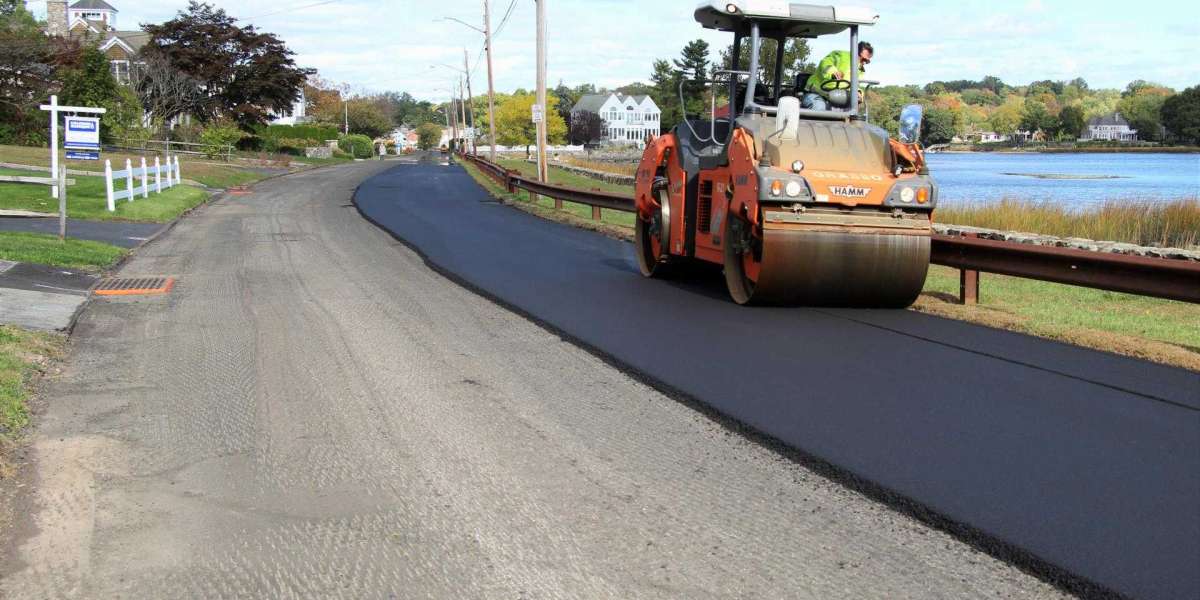

Street paving is a vital part of modern infrastructure, providing smooth, durable surfaces for residential streets, commercial roads, and public highways. Well-paved streets improve traffic flow, enhance safety, and support the daily transportation needs of communities. Whether constructing a new roadway or resurfacing an existing one, professional street paving combines quality materials, skilled workmanship, and proper planning to deliver reliable results.
Investing in high-quality street paving helps reduce maintenance costs, extend pavement life, and improve the overall appearance of neighborhoods and commercial areas.
The Importance of Street Paving
Roads experience constant stress from vehicle traffic, weather conditions, and natural aging. Professional paving helps maintain safe driving conditions while protecting the underlying roadway structure.
Benefits of street paving include:
- Improved driving safety
- Smoother road surfaces
- Better traffic flow
- Reduced vehicle wear
- Enhanced curb appeal
- Longer pavement lifespan
Well-maintained streets also contribute to stronger communities and improved property values.
The Street Paving Process
Successful paving projects follow a carefully planned process to ensure durability and long-term performance.
Site Evaluation
Every project begins with an assessment of the existing road conditions, drainage, and traffic requirements.
Surface Preparation
The roadway is cleared of debris, damaged pavement, and loose materials before construction begins.
Grading and Base Installation
A stable base is created by grading the surface and installing compacted aggregate materials to provide structural support.
Asphalt or Concrete Placement
Depending on project requirements, asphalt or concrete is applied using specialized paving equipment.
Compaction and Finishing
Heavy rollers compact the pavement to create a smooth, durable surface capable of supporting daily traffic.
Asphalt Street Paving
Asphalt is one of the most common materials used for street construction because of its flexibility and affordability.
Advantages of asphalt include:
- Smooth driving surface
- Fast installation
- Cost-effective construction
- Easier repairs
- Good weather resistance
Asphalt is widely used for residential streets, municipal roads, and commercial developments.
Concrete Street Paving
Concrete offers exceptional strength and longevity for roads that experience heavy traffic.
Benefits of concrete paving include:
- High durability
- Excellent load-bearing capacity
- Long service life
- Low maintenance requirements
- Resistance to heavy vehicle traffic
Concrete is commonly used for intersections, industrial roads, and areas with frequent heavy truck traffic.
Road Safety Features
Street paving projects often include additional safety improvements to enhance traffic flow and reduce accidents.
Common safety features include:
- Clearly marked lanes
- Crosswalks
- Reflective pavement markings
- Curbs and gutters
- Traffic calming measures
- Improved road signage
These features help create safer roads for drivers, cyclists, and pedestrians.
Drainage and Water Management
Proper drainage is essential for maintaining pavement quality and preventing water damage.
Drainage systems may include:
- Storm drains
- Catch basins
- Curbs
- Gutters
- Proper road grading
Effective water management helps prevent erosion, potholes, and premature pavement deterioration.
Street Maintenance Services
Routine maintenance extends the lifespan of paved streets and helps avoid major repairs.
Common maintenance services include:
- Crack sealing
- Pothole repairs
- Sealcoating
- Asphalt patching
- Resurfacing
- Pavement inspections
Preventive maintenance helps keep roads safe while reducing long-term maintenance costs.
Environmental Considerations
Modern paving projects increasingly incorporate environmentally responsible practices.
Sustainable paving methods include:
- Recycling reclaimed asphalt pavement
- Reducing construction waste
- Using energy-efficient equipment
- Improving stormwater management
- Extending pavement life through preventive maintenance
These practices support both infrastructure quality and environmental stewardship.
Choosing a Professional Street Paving Contractor
Selecting an experienced paving contractor is important for achieving durable, high-quality results.
Look for a contractor that offers:
- Extensive paving experience
- Skilled construction crews
- Modern paving equipment
- Quality materials
- Reliable project scheduling
- Comprehensive maintenance services
Professional workmanship helps ensure that streets remain safe and functional for years to come.
Street paving is an essential investment in transportation infrastructure, providing safe, smooth, and durable roadways for residential, commercial, and public use. Through careful planning, quality construction, and ongoing maintenance, professionally paved streets support efficient travel, improve safety, and enhance the overall appearance of a community.
Whether constructing a new road or restoring an existing one, quality street paving delivers long-term value and dependable performance for everyone who uses it.